
≈60-70%
Alzheimer's disease
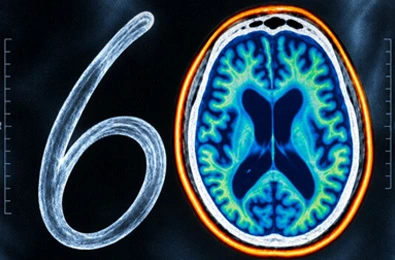
Most common cause globally; typically starts with progressive memory loss, later affecting other cognitive domains.
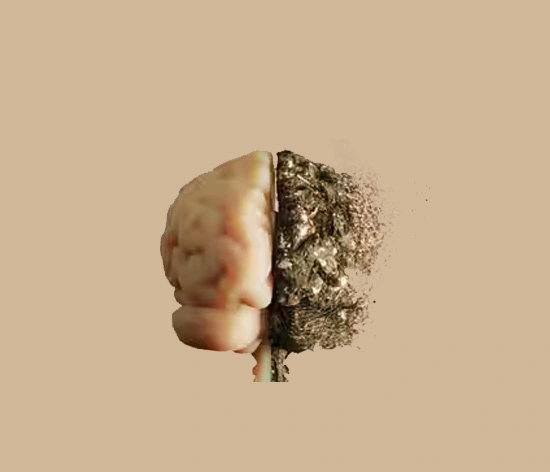
Dementia is not a single illness. It is an umbrella term for a group of conditions that damage brain cells and disrupt the networks they form. Most people think of it as memory loss, but that is only the surface. Over time, dementia erodes thinking, behaviour, judgement and the ability to live independently. It is a progressive, neurodegenerative condition caused by structural and chemical changes in the brain — and it is not, as many families assume, an ordinary or natural part of ageing.
Understanding it clearly is the first step, because a condition that is understood can be planned for, supported and managed for an improved quality of life.
Some forgetfulness comes naturally with age. So, how do you tell dementia from normal forgetfulness? It's different in kind, not just degree, and telling the two apart is what makes early action possible. Not every memory lapse is dementia, but a persistent pattern of dementia symptoms in older adults is worth checking.
Dementia is already one of India's largest unrecognised health challenges. Since only a few cases are ever diagnosed, the true scale remains hidden inside homes — quietly accepted as a normal part of ageing.
Indian seniors may get dementia by 2036
Source: Alzheimer's Association (Journal)people worldwide today — with a new diagnosis every three seconds
Source: WHOprojected cases by 2050
Source: Alzheimer’s Disease InternationalIndians aged 60+ estimated to be living with dementia
Source: Alzheimer’s Association (Journal)are actually diagnosed or receiving care
Source: PMC JournalDementia rarely stays a personal medical problem. What begins with a single person ripples outward, through the family, the workplace, the health system and, eventually, the economy. This is why dementia deserves to be treated as a shared responsibility rather than a private difficulty, and why support that reaches the whole household matters as much as treatment for one person.
This condition doesn’t take life first. It takes:
It results in:
It enters the system:
Put together, the ripple becomes national:
It causes:
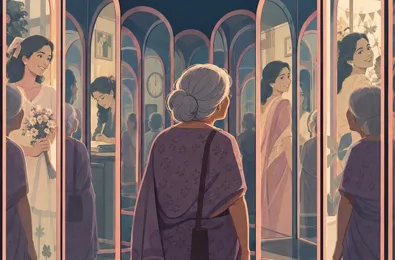
Dementia extends far beyond memory loss. The various dimensions of loss experienced by a person living with dementia include the loss of the ability to perform everyday tasks such as cooking, managing finances and taking medication; loss of one’s position within the family, including as a provider, decision-maker or teacher; loss of independence, including the inability to navigate familiar places without supervision; withdrawal from family rituals and community participation; and, ultimately, loss of recognition of family, spouse and self.
These dimensions do not disappear all at once. They erode progressively, often beginning with changes to everyday function and roles and ultimately affecting autonomy, social participation and sense of self.
The paradox of identity loss is that it is felt most acutely when cognitive awareness is highest in the early stages. As dementia progresses, the person gradually loses the ability to perceive their own loss.
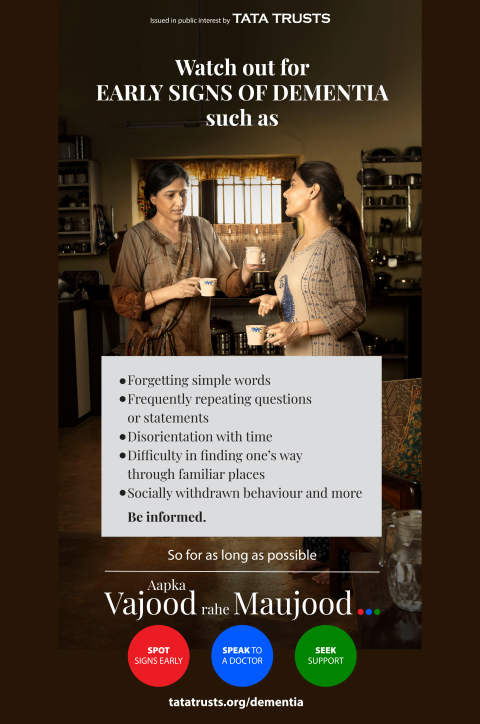
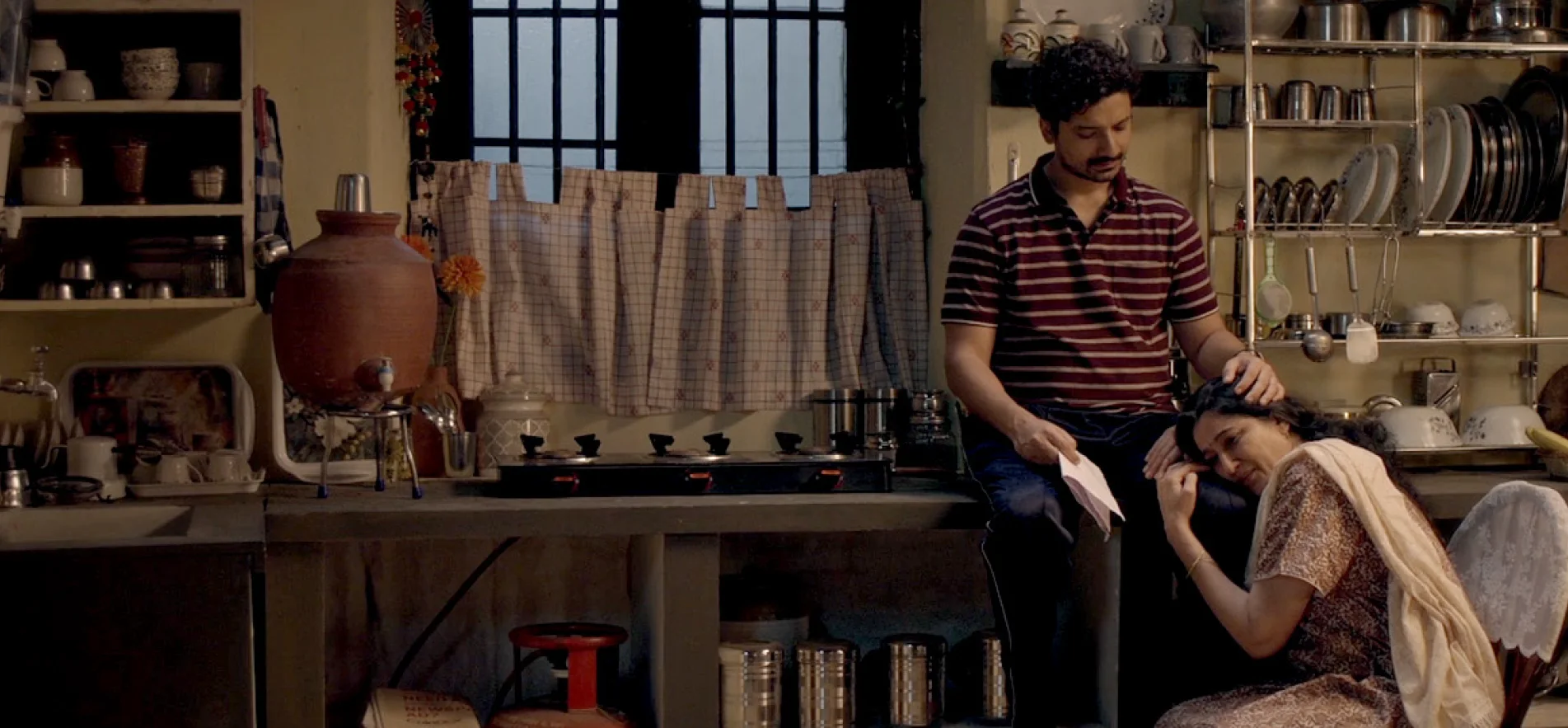
Not in a clinic, but in the kitchen, on the daily walk, in a question asked one too many times. This is what families actually see, long before anyone thinks about calling it a disease.
A dish cooked for forty years suddenly comes out wrong, step after step.
The way to the market — walked a thousand times — stops making sense.
Everyday things turn up in impossible places, over and over.
“when are we leaving?” asked five times in ten minutes, each time new.
Asking for tea minutes after finishing a cup — the memory of it simply isn't there.
Stepping back from people and rituals once loved. Often mistaken for mood.
If some of these symptoms sound familiar and are taking place persistently, it is worth consulting a medical practitioner. Click here to know more.
The person caring for the patient, most often a spouse, child or daughter-in-law, slowly becomes a second, often unseen, person carrying the weight of it all. Caregiving demands skill and extensive effort, yet its cost is almost never accounted for.
Five feelings that come with caring for someone living with dementia — and why feeling all of them at once is normal.
for losing patience, or needing a break
present long before any death
comes quietly, rarely admitted
not a metaphor — a clinical fact
the day they no longer recognize you
The good news: A caregiver doesn’t have to figure this out alone. Guidance, training and support groups for caregivers are a call away. Click here to know more.
What screening involves
Most screening tools take 5–15 minutes and involve questions and simple tasks: remembering words, drawing a clock, naming objects, solving small problems.
No needles or scans are needed for the initial screen. It is a conversation, plus paper-and-pen or tablet-based tasks.
Results are shared privately with you and, if you wish, with a family member. The goal is support, not judgement.
A screening test indicates whether further evaluation by a physician, neurologist or geriatric specialist, is needed.
Based on your results and health history, you will get practical advice: managing blood pressure, diabetes and cholesterol; staying physically active; eating well; improving sleep; stopping smoking; limiting alcohol; and staying socially and mentally engaged.
If the screen suggests possible cognitive changes, you will be offered counselling on what this means, how to plan ahead, and how to access medical, psychological and caregiver support. Even when no diagnosis is made, you can discuss your personal risk factors and receive a tailored plan to reduce your long-term risk of dementia.
Click here to know more.
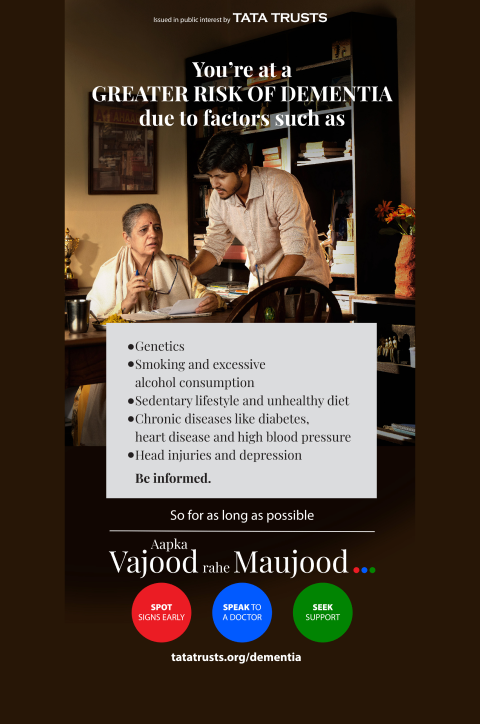
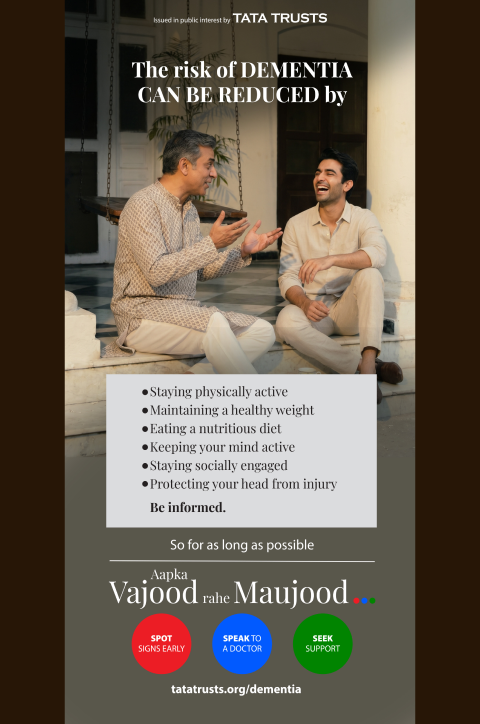
A large share of dementia risk is linked to things we can act on, starting in midlife, long before any symptoms appear. Protecting the brain when we are young, shapes the mind at a later stage.
of cases may be preventable or delayable by acting on modifiable risk factors
Source: LancetNo. Ageing brings some natural slowing, but dementia is a condition caused by physical damage to the brain. It deserves attention and care, not quiet acceptance as “old age”.
No. Risk rises with age, but younger-onset dementia can begin in the 40s or 50s — frontotemporal dementia in particular. Symptoms should never be dismissed on the basis of age alone.
Not exactly. Dementia is the umbrella term for symptoms of cognitive decline; Alzheimer's is the most common disease that causes it. So, all Alzheimer's is dementia, but not all dementia is Alzheimer’s.
It depends on the type. In Alzheimer’s, recent memory usually goes first — repeated questions, trouble with familiar tasks, difficulty handling money. In frontotemporal dementia, changes in personality, behaviour or language often come first, with memory relatively intact. What matters in every case is a persistent change from how the person used to be.
No. Occasional forgetfulness is normal. Dementia is a persistent, worsening pattern that interferes with everyday life.
Note what you have observed and how long it has been going on and raise it gently with them. Then consult a doctor or arrange a memory screening. Click here to know more.
In the early stages, many people continue to live independently with some support — reminders, simplified routines, help with finances. Needs increase over time, which is exactly why early diagnosis matters.
Most types cannot yet be cured, but treatments exist. Medication can help manage symptoms in some forms, treating related conditions makes a real difference, and non-drug approaches — cognitive stimulation, music, routine, activity — support daily life. Some causes of cognitive decline are treatable altogether.
Not entirely, but a meaningful share of risk is linked to factors you can influence from midlife. Read more.
Most types can’t yet be cured, but some contributing factors are treatable, and early support can slow the impact and improve quality of life.
A family history can raise risk for some types, but most dementia is not directly inherited. Age and lifestyle matter more for most people.
Usually after 65, but younger-onset dementia can begin in the 40s or 50s, which is why symptoms should never be dismissed by age alone.
Keep routines familiar, communicate simply and calmly, include them in family life, let them do what they still can, and respond to how they feel rather than correcting details. And get support for yourself as caregiving is not meant to be carried alone. Click here to know more.
Click here to know more.
Small changes in how you respond can protect a person's dignity, and a caregiver's well-being.
Dementia will be one of the defining health conversations in India over the next three decades. Our effort is to build a shared, evidence-based understanding of dementia in India, one that looks beyond the disease to the realities of the individual and the caregiver and seeks to build an ecosystem of care around them."

People often describe changes in memory, behaviour or everyday functioning simply as old age. But these changes can be early signs of dementia and should not be dismissed. While there is currently no cure for dementia, an early diagnosis can be transformative. Literature on the subject underscores a critical health prevention window and we need to utilise that through systemic action on modifiable risk factors such as diabetes, hypertension and other lifestyle factors."

Early detection of dementia is an important first step, but it cannot exist in isolation. India today has fewer than 50 full-fledged dementia care centers. We need a stronger, more connected dementia ecosystem, one that supports individuals and caregivers, equips families with resources and knowledge to navigate this difficult journey, and brings healthcare, communities, workplaces and policymakers together to respond proactively and effectively."

The next decade offers a critical opportunity to act. The development ecosystem can help by piloting models, generating evidence and building scalable solutions that ensure ageing is not associated with vulnerability, but with dignity, security and continued participation in society."

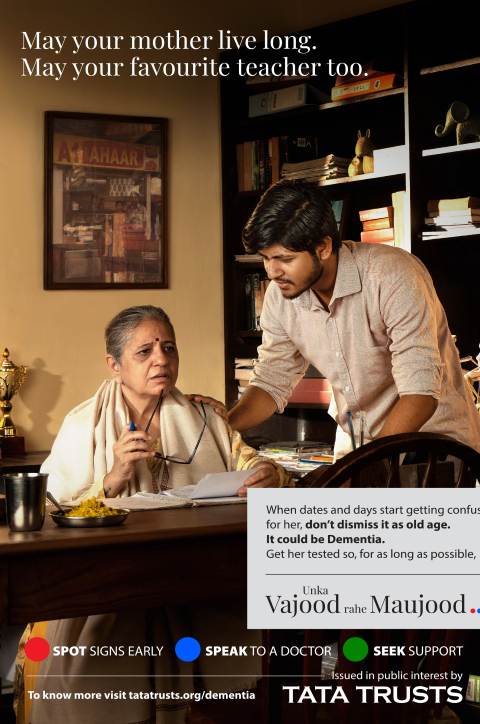
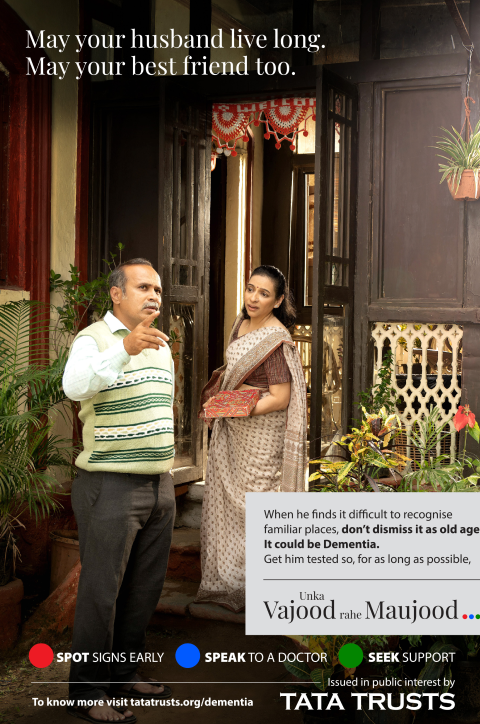
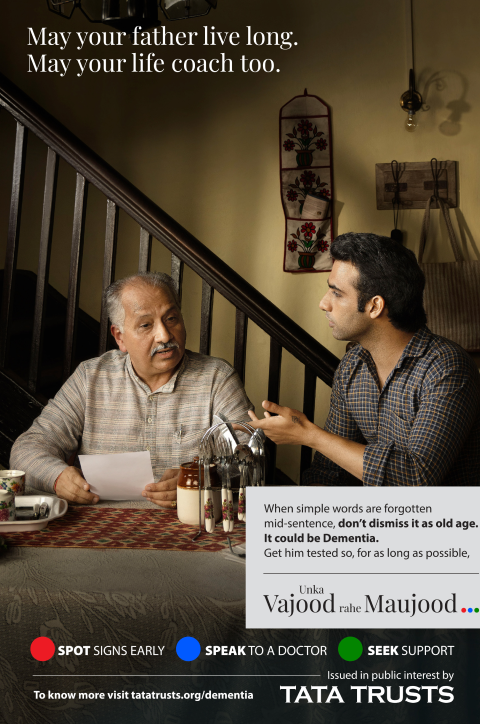
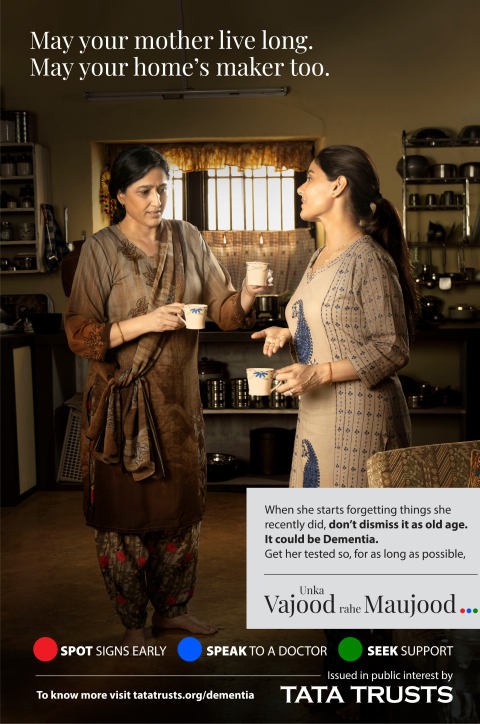
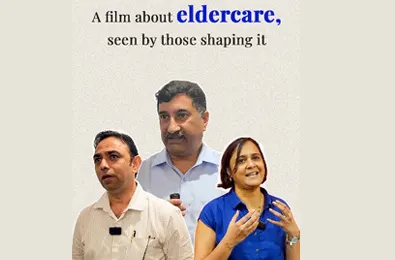
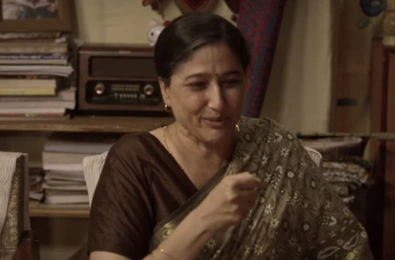
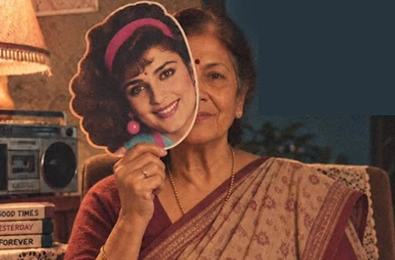
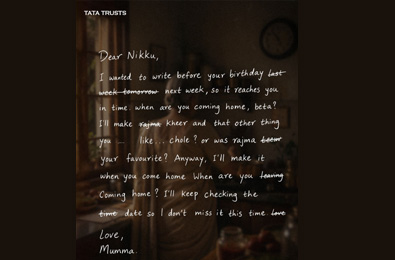
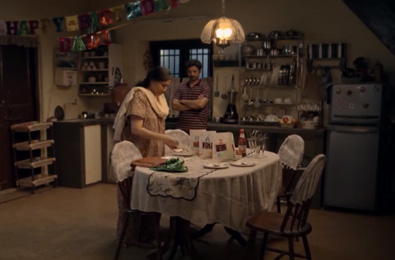
What can we do to prevent families from misattributing symptoms of dementia to old age and seeking early intervention? The campaign takes this question into homes across India - through films, posters and stories
Watch the film
Explore the campaign assets below.