 |
The biggest risk may be what people still believe
There was a time when head and neck cancer was almost always linked to an older man with a long history of smoking or chewing tobacco. That image still exists in many minds. But doctors say it no longer tells the whole story.
Hospitals across the country are seeing changes in who develops these cancers and why. Tobacco and areca nut continue to be the biggest reasons behind the disease in India, but younger patients are increasingly walking into cancer clinics. Some have never smoked. Others have different risk factors that many people are unaware of.
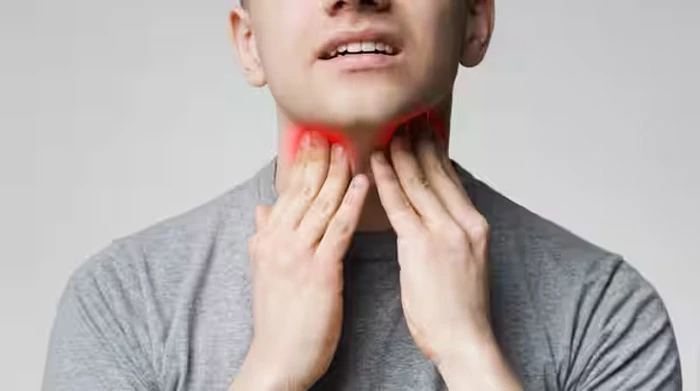
This shift is creating a new challenge. People who do not fit the "typical" image of a head and neck cancer patient ignore early warning signs. They may dismiss a mouth ulcer, a persistent sore throat, or a lump in the neck as something harmless. By the time they seek medical help, valuable time may already have been lost.
 |
The disease is changing, but public awareness has not
The biggest concern among cancer specialists today is not just that risk factors are changing. It is that public understanding has failed to keep pace.
Dr Shailesh V. Shrikhande, Chief Executive, Tata Cancer Care Foundation, seeded by the Tata Trusts, said, "One of the biggest challenges in head and neck cancer today is that public perception has not kept pace with the disease itself. While tobacco and areca nut remain the leading causes in India, clinicians are increasingly seeing younger patients and a changing mix of risk factors, including HPV-associated cancers and the growing use of newer nicotine products."
He added, "The real risk is not just changing epidemiology. It is delayed diagnosis because many people still believe these cancers only affect older adults."
This belief can be dangerous. A younger person with a non-healing mouth ulcer or persistent hoarseness may not even consider cancer as a possibility. Friends and family may also encourage them to wait instead of seeking medical advice.
 |
Why are doctors seeing more younger patients?
There is no single answer. According to experts, tobacco smoking, smokeless tobacco and areca nut (supari) remain the leading causes of head and neck cancers in India. These products are responsible for a large proportion of cases, particularly cancers of the oral cavity.
However, doctors are also seeing an increasing number of cancers linked to human papillomavirus (HPV), particularly cancers of the oropharynx, which includes parts of the throat such as the tonsils and the base of the tongue. These cancers often occur in a different group of patients than those traditionally affected by tobacco-related disease.
Another area that doctors are watching closely is the growing popularity of newer nicotine products. While research continues to examine their long-term effects, specialists say these products should not be viewed as harmless alternatives simply because they are different from cigarettes.
 |
The signs are often easy to ignore, and that is the problem
One reason head and neck cancers become dangerous is that their early symptoms rarely seem alarming.
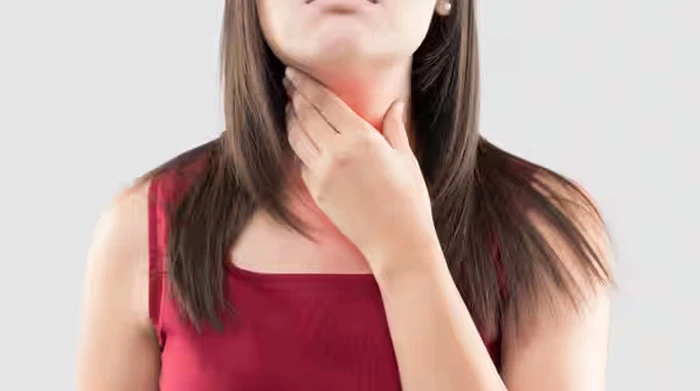
A mouth ulcer that refuses to heal. A white or red patch inside the mouth. Difficulty swallowing. A sore throat that lingers for weeks. A lump in the neck. A voice that suddenly becomes persistently hoarse.
Most people have experienced at least one of these symptoms at some point. Usually, they are caused by something far less serious. But when these symptoms persist for more than two or three weeks, doctors recommend getting them examined instead of waiting for them to disappear.
Early diagnosis often means smaller surgeries, less intensive treatment and a better quality of life after recovery.
 |
Early detection can save lives, and sometimes spare major treatment
Head and neck cancers affect much more than physical health. They may interfere with speaking, eating, swallowing, breathing and even facial appearance. Because these functions are so closely tied to everyday life, treatment often requires not only surgeons but also speech therapists, nutrition experts and rehabilitation specialists.
The emotional impact can also be significant. Many patients worry about returning to work, social interactions or even sharing meals with family members. That is why detecting the disease before it advances can make an enormous difference.
Dr Shrikhande stressed this point, saying, "As we work to make quality cancer care more accessible across India, particularly in underserved communities, we must place equal emphasis on awareness and early detection. Head and neck cancers are highly preventable and often curable when detected early. Timely diagnosis and access to care remain our greatest opportunity to save lives."
His message highlights an important reality. Better hospitals alone cannot reduce deaths if people continue to ignore the earliest warning signs.
 |
Medical experts consulted
This article includes expert inputs shared with TOI Health by:
Dr Shailesh V. Shrikhande, Chief Executive, Tata Cancer Care Foundation, seeded by the Tata Trusts.
Inputs were used to explain how the profile of head and neck cancer is changing in India, why younger people are increasingly being diagnosed, and why recognising the early warning signs can save lives.
This article was published on The Times Of India on 27 July, 2026.
