With India's sports ecosystem poised to reach $130 billion by 2030, the moment is ripe to ask: how do we ensure this growth is inclusive?
 |
| Strengthening India's Sports Ecosystem for Holistic Development |
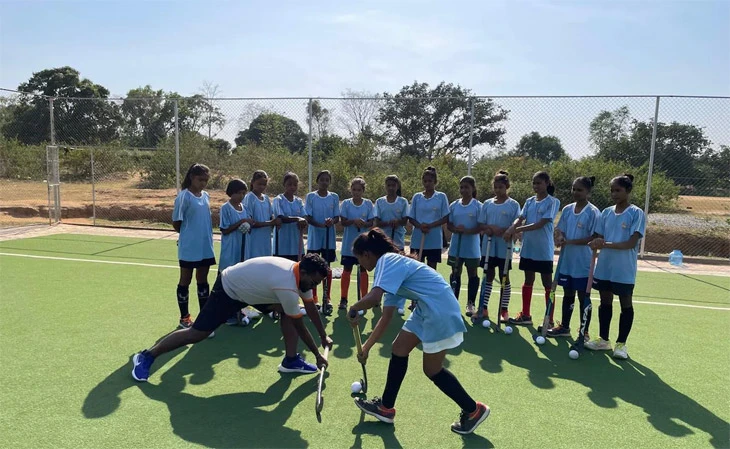
In the small town of Simdega in Jharkhand, children head to school each morning with a hockey stick in hand. Bags may be forgotten, but not the sticks, fashioned from wood or bamboo, which students use for an hour-long game before classes begin. Further east, in the Mizo hills, the day ends with the community converging at the local ground, where football - played by everyone from teenagers to those in their 50s - transcends sport, binding people together and shaping shared identity.
These vignettes illustrate how deeply sports are woven into India's community fabric, acting not just as a source of joy but as a vital catalyst for education, social cohesion, and collective aspiration. Wherever strong sporting cultures exist - from badminton in Mizoram to hockey in Jharkhand - the focus must be on channeling this momentum, ensuring every child receives the support and opportunity to thrive.
A Critical Moment for Indian Sports
With India's sports ecosystem poised to reach $130 billion by 2030, the moment is ripe to ask: how do we ensure this growth is inclusive? The recently unveiled National Sports Policy 2025 lays out a bold vision - igniting a sporting revolution across India's masses, nurturing grassroots sports development, particularly for the underserved, reviving traditional games, and unlocking new pathways to sporting excellence while enhancing children's social development and life skills.
This growth comes at a crucial time. Over 70% of Indian children fall short of the World Health Organization's physical activity benchmarks, spending most of their day in sedentary activities. This contributes to undernutrition, obesity, and health challenges, including poor cardiorespiratory fitness. With India projected to have over 27 million obese children by 2030, investing in equitable, community-based sports is not just about nurturing talent - it's a public health necessity.
Integrating physical literacy and sports into education for children aged 6-14 years develops basic movement and sports skills, laying a powerful foundation for healthy development. When schools embed a culture of play within learning, children perform better academically and show enhanced cognitive outcomes.
However, schools often prioritise academics over sports. Community-level initiatives can bridge this gap, offering children valuable opportunities to participate in and benefit from sports. In turn, sports help lower dropout rates and absenteeism while improving literacy levels, simultaneously tackling broader societal issues like unemployment and juvenile delinquency.
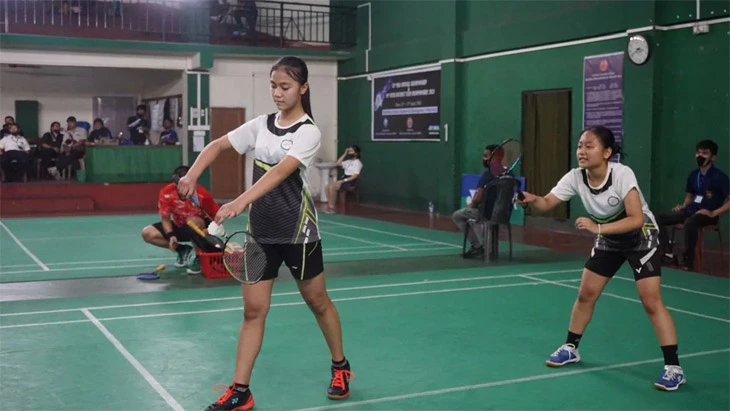
Beyond physical health, sports play a transformative role in fostering confidence, self-discipline, resilience, and humility. Research links sports participation to improved mental health, with studies showing that individuals who play sports in school report lower levels of depression and stress later in life. In Mizoram, programmes for badminton and football in collaboration with Pullela Gopichand Badminton Academy (PGBA) and state governments, the amazing culture of play brings together communities to celebrate joy, strengthening social and emotional bonding while boosting the happiness index.
 |
A powerful example comes through the "Life Through Cricket" (LTC) programme in partnership with Cricket Live Foundation. This initiative demonstrates how sports can transform lives for boys facing serious personal struggles, including addiction. Many boys who had previously shown signs of substance use, particularly tobacco addictions, showed marked behavioral improvements after joining the programme. Regular participation in cricket led to reduced engagement with negative peer influences and helped the boys build resilience against addiction triggers. According to coaches and programme leaders, participants became more regular in school, improved academically, and developed aspirations beyond their earlier circumstances.
Addressing gender barriers
Yet, sport's promise remains unrealised for millions of girls. Deep-rooted societal norms and a lack of safe, accessible facilities continue to sideline them. Grassroots programmes must address gender-specific barriers limiting girls' participation.
One significant yet overlooked challenge is menstruation-related stigma. Combined with low awareness and inadequate sanitation facilities, this leads many girls to miss training or drop out altogether. Training both male and female coaches on effective menstrual hygiene management - as implemented in Tata Trusts' grassroots programmes in Jharkhand - can help address this. These coaches then educate female hockey players, helping break taboos and ensure continued participation.
At the community level, sports programmes create alternative livelihood opportunities, especially in underdeveloped regions where people depend on farming or animal husbandry. A robust grassroots system helps identify potential talent, providing pathways to professional sporting careers. Structured programmes build pipelines of athletes, trainers, and coaches, feeding national teams while boosting local economies. Creating awareness about numerous career opportunities in sports, not just in urban areas but also in rural and tribal villages, is essential for boosting the sports economy and providing sustainable livelihoods.
Democratising sports access requires powerful collaborations between central and state governments, non-profit organizations, and academic institutions to build a cohesive sporting ecosystem. Recent government initiatives like Khelo India Youth Games (KIYG) and Khel Mahakumbh are welcome moves, redefining how schools integrate sports and providing opportunities for children to showcase talent, with top performers receiving financial scholarships for competitive sports training.
However, limited access to playgrounds and sports infrastructure remains a major challenge, with only 20% of schools meeting the necessary infrastructure requirements. The disparity is even greater in rural areas, where severe lack of resources and equipment further restricts participation.
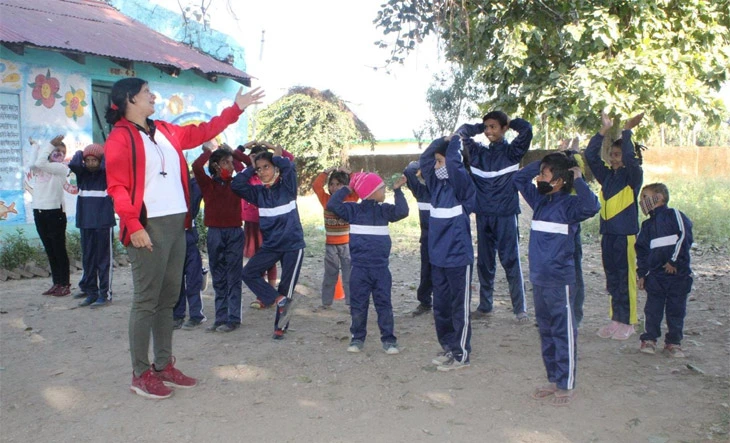 |
With physical literacy integrated in education - cultivating joy in movement and developing life skills - community grassroots programmes in every locality, enabling mass participation and teaching basic sports, and regional competitive training centers training talented children from the grassroots, we can nurture love and talent for physical activity and sport. Residential sports academies, set up as centers of excellence, can offer the most promising athletes' holistic development by integrating education, sports science and career and skilling support, for their overall growth, providing a pathway for children to achieve their dreams and become sporting icons, inspiring more to follow.
These multi-tiered structured programmes, grounded in the Olympic values of fair play, respect, friendship, and excellence, can nurture local talent, strengthen communities, and establish sports as a sustainable driver of education, social change, and holistic development.
Investing in inclusive, community-led sports is not just about producing champions. It is about building a nation where every child regardless of gender, geography, or background has the chance to grow, learn, and lead through the power of play. The hockey sticks of Simdega and the football grounds of Mizoram are blueprints for a healthier, happier, and more united India. If we seize this moment, sport can become what it deserves to be: a foundation of our collective progress.
— Neelam Babardesai, Head of Sports, Tata Trusts
The article was first published on 9 August, 2025 on NDTV SPORTS.
