Published 2025 | How philanthropy supported public systems during a global health crisis
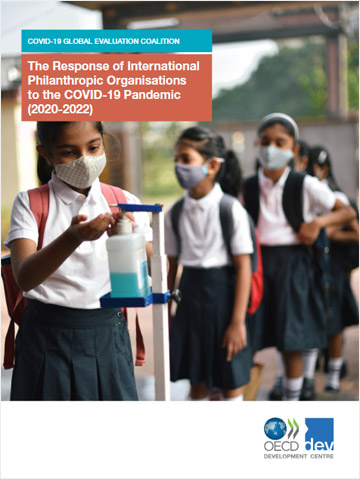 |
Abstract: Philanthropic foundations played an important, positive role in the global response to the COVID-19 pandemic in many developing countries, drawing on their strategic advantages: agility, speed, innovation and collaboration. In the early stages of the pandemic, private philanthropy was able to move quickly and flexibly to fill critical gaps and took on risks in piloting innovative programmes and approaches that would later be adopted by governments. Foundations also served as conveners, collaborating extensively with various stakeholders across the private, public and multinational sectors. They supported international vaccination efforts and other collaborative responses. While the financial contributions of philanthropic foundations were relatively modest, their flexibility and adaptability allowed them to play a complementary role to the efforts of other development actors. This study also identifies lessons to be learned, particularly to ensure the complementarity of philanthropy with official providers of international assistance [Abstract: The Response of International Philanthropic Organisations to the COVID-19 Pandemic (2020–2022), 2025]¹.
“In India, Tata Trusts played a significant role in supporting the healthcare system in the interim period before the government could fully mobilise its response. They began by addressing the immediate need for PPE, using connections throughout the Tata Group to import 200 tons of PPE and distribute it across the country. Tata Trusts also worked to modernise hospitals and prepare them for COVID-19 care by supplying critical care equipment, scaling up oxygen production and training healthcare workers on the use of new equipment.” [Nawkar, Mandal and Dore, 2023, as cited in The Response of International Philanthropic Organisations to the COVID-19 Pandemic (2020–2022), 2025, p. 20] ²
To explore the broader contributions of the Tata Trusts and other philanthropic organisations in strengthening public systems during the COVID-19 pandemic, refer to the full OECD report.
References
1. Abstract: The Response of International Philanthropic Organisations to the COVID-19 Pandemic (2020–2022).
2. Page 20 of The Response of International Philanthropic Organisations to the COVID-19 Pandemic (2020–2022).
Click here to read about Tata Trusts' "One Against Covid" initiative.
