Know
Us

Introduction
to the Tata Trusts

Explore
Our Work

Know the
work we do

See
Change Unfold

Discover our impact
stories and campaigns

Discover
Insights

Publications
and reports

Follow
Updates

In the media

Join
Us

Opportunities
for impact

Tata Trusts legacy makers

The Years
That Shaped Us

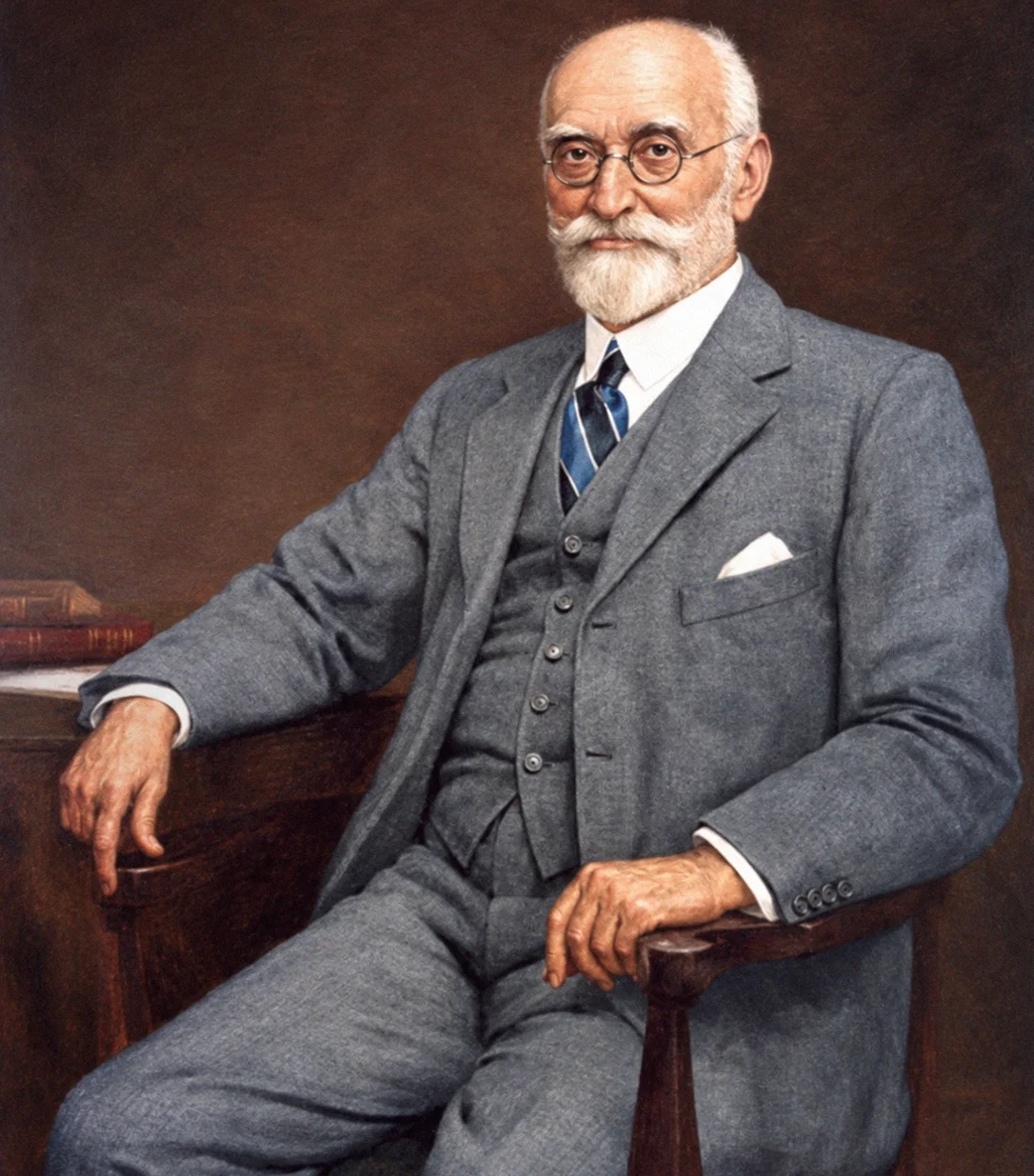
Jamsetji Tata starts the Endowment scheme
        which will go on to support promising students
        from all over India and from all walks of life.
1892

Jamsetji Tata starts the Endowment scheme which will go on to support promising students from all over India and from all walks of life.

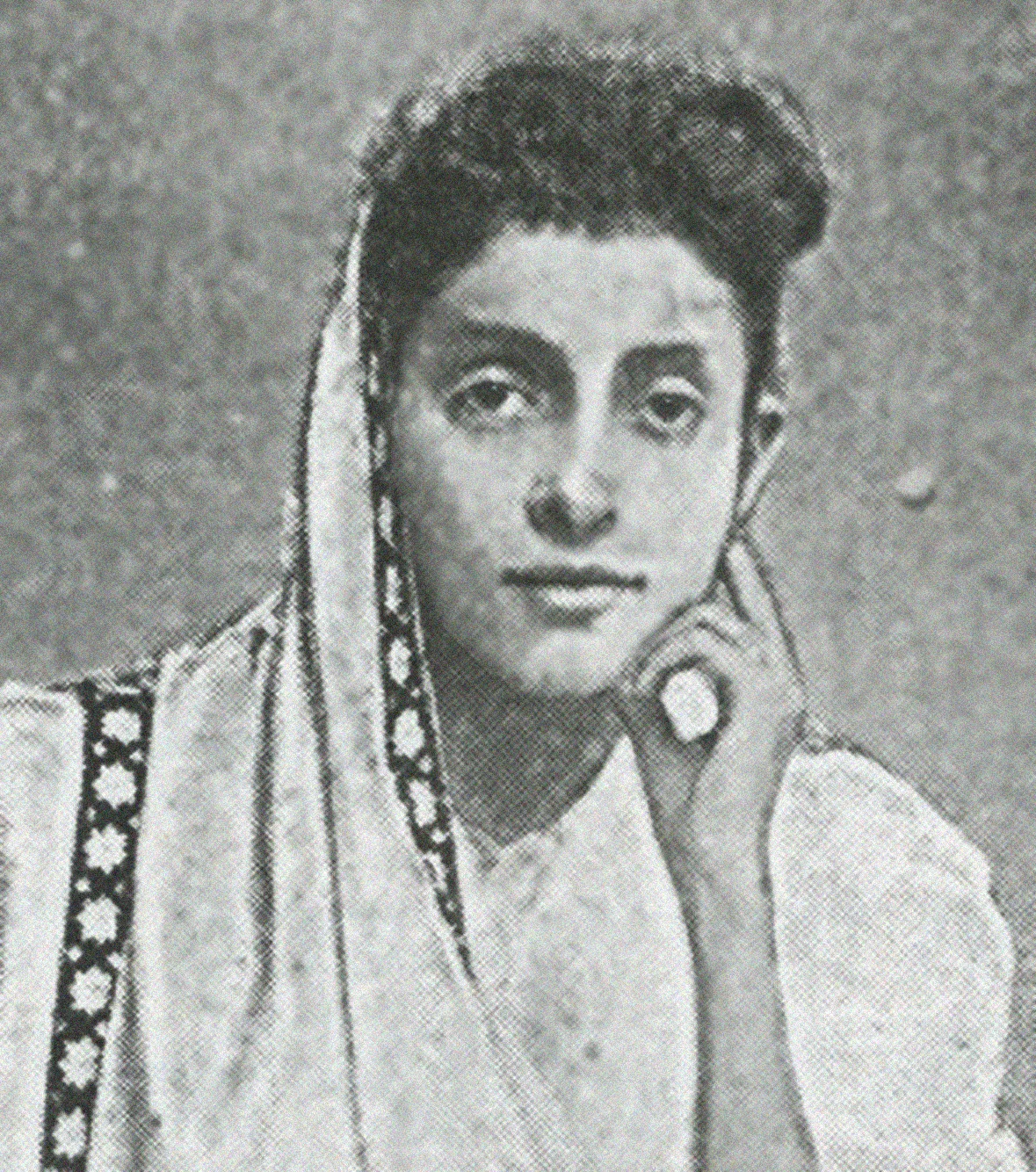
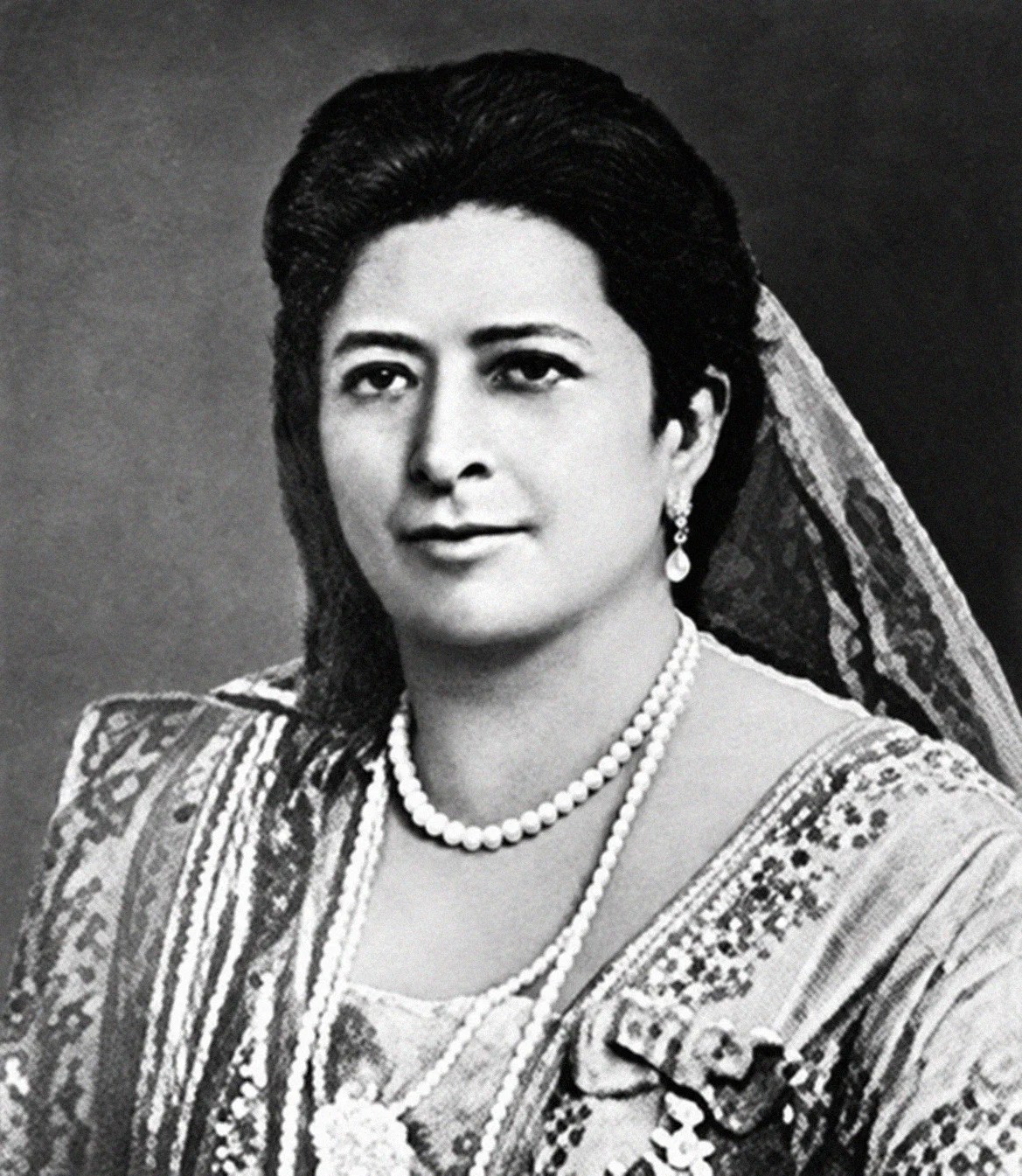
The first JN Tata scholar, Freny K. R. Cama was sent to Edinburgh for advanced studies in medicine. Other luminaries who were also JN Tata scholars include:

  • Former President KR Narayanan
  • Renowned scientists Raja Ramanna, Jayant Narlikar and Raghunath Mashelkar
  • Jnanpith Award winner writer and actor Girish Karnad

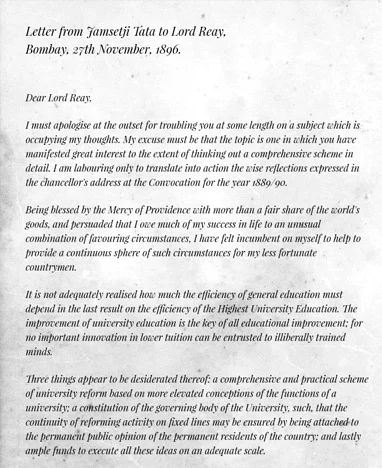
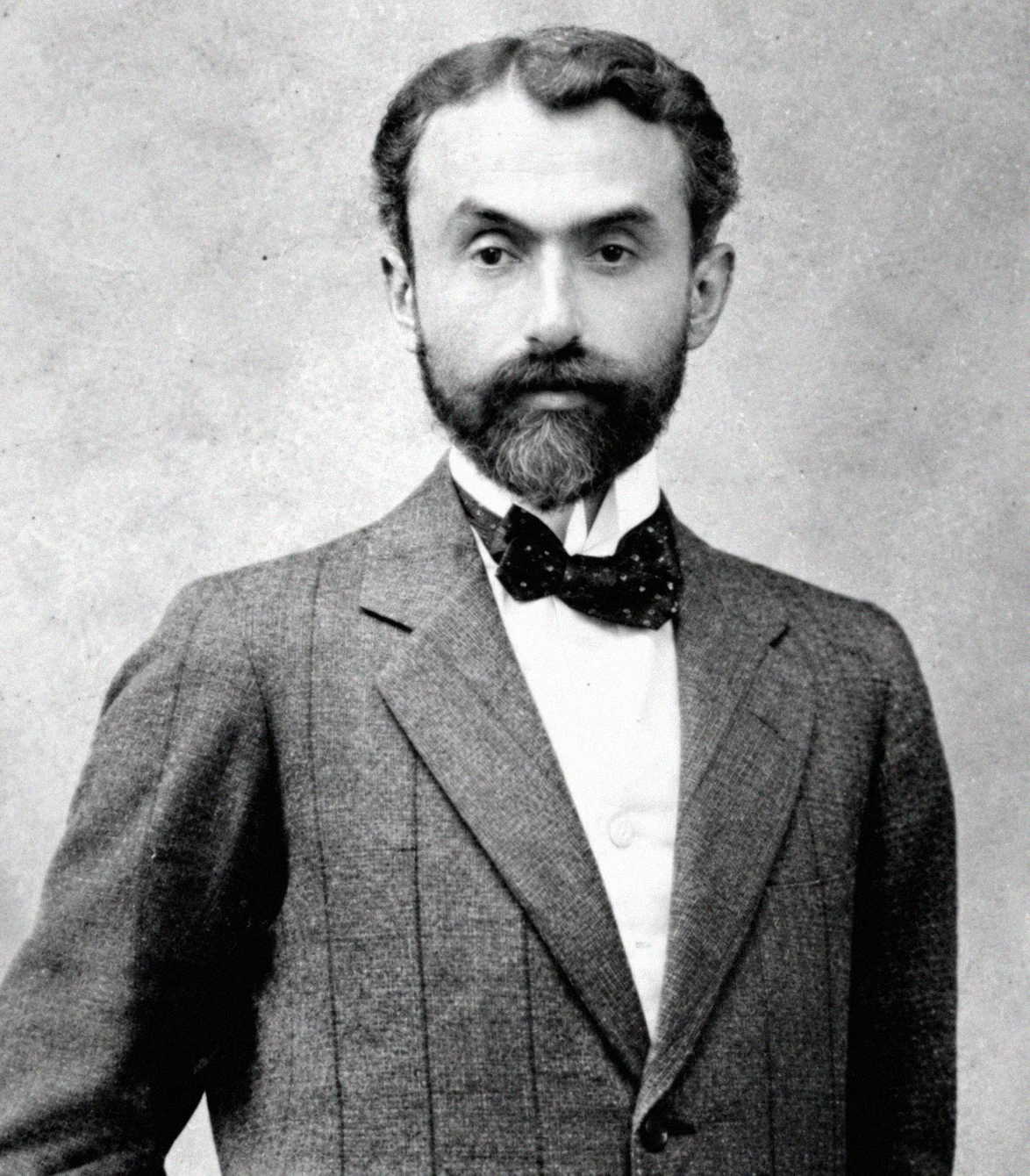
Jamsetji writes a letter to Lord Reay offering half his fortune, 14 buildings and four landed properties to create the university of his dreams.

Jamsetji envisaged the university to be a seat of learning and research for engineering, physics, and all branches of chemistry, as also a centre of Indian history and archaeology research and a centre of advanced statistics and philology.


At a time when houses in Bombay were not too clean and were lit by oil lamps, Jamsetji becomes the pioneer of an organised flat system, which today, is the foundation of Mumbai's real estate. Near the Esplanade, he builds a block of 16 flats, four on each floor, entirely detached from other buildings. The building has spacious, well-ventilated rooms lit by electricity.

1896
Jamsetji writes a letter to Lord Reay offering
        half his fortune, 14 buildings and four landed
        properties to create the university of his
        dreams.
Jamsetji starts planning a modern steel plant in
        India. At a time when townships in the west are
        haphazardly built around coal mines, Jamsetji
        wants to protect his workers from the factory
        smoke by setting up a township in the direction
        opposite to the prevailing wind.
1902

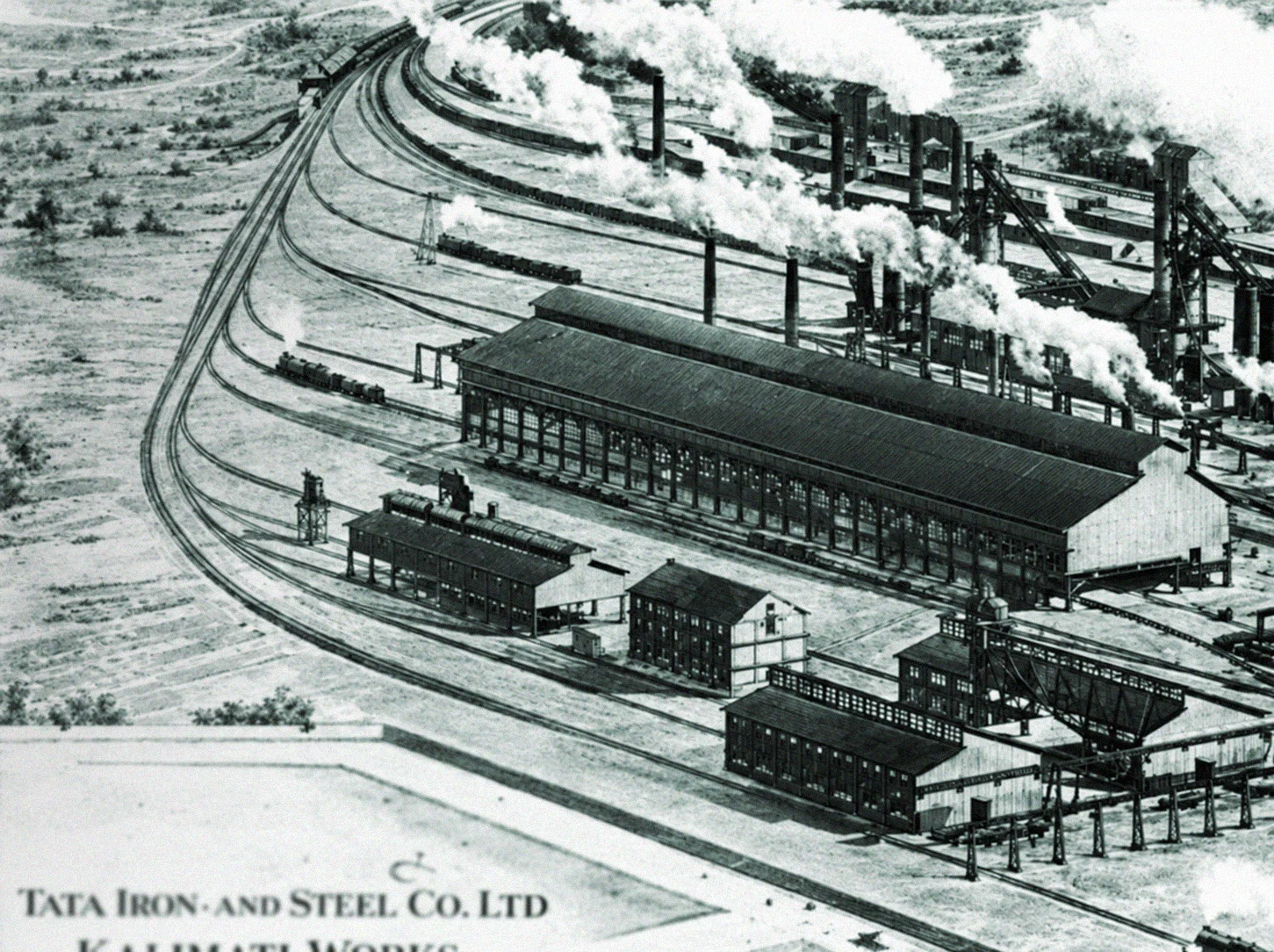
Jamsetji starts planning a modern steel plant in India. At a time when townships in the west are haphazardly built around coal mines, Jamsetji wants to protect his workers from the factory smoke by setting up a township in the direction opposite to the prevailing wind.


Jamsetji embarks on another project — of reclaiming some twelve hundred acres of land around the Mahim creek in Mumbai and improving the health of the city.

In a letter to his son Dorabji, Jamsetji wrote, 'Be sure to lay wide streets planted with shady trees, every other of a quick- growing variety. Be sure that there is plenty of space for lawns and gardens. Reserve large areas for football, hockey and parks. Earmark areas for Hindu temples, Mohammedan mosques and Christian churches.'

While presenting his plans to the Collector of Thane, Jamsetji wrote that, 'The chief advantage I am looking forward to is the improvement in the health of Bombay consequent on the reclamation of drowned lands, the malarial exhalations from which are at present carried to Bombay island by the north wind.'

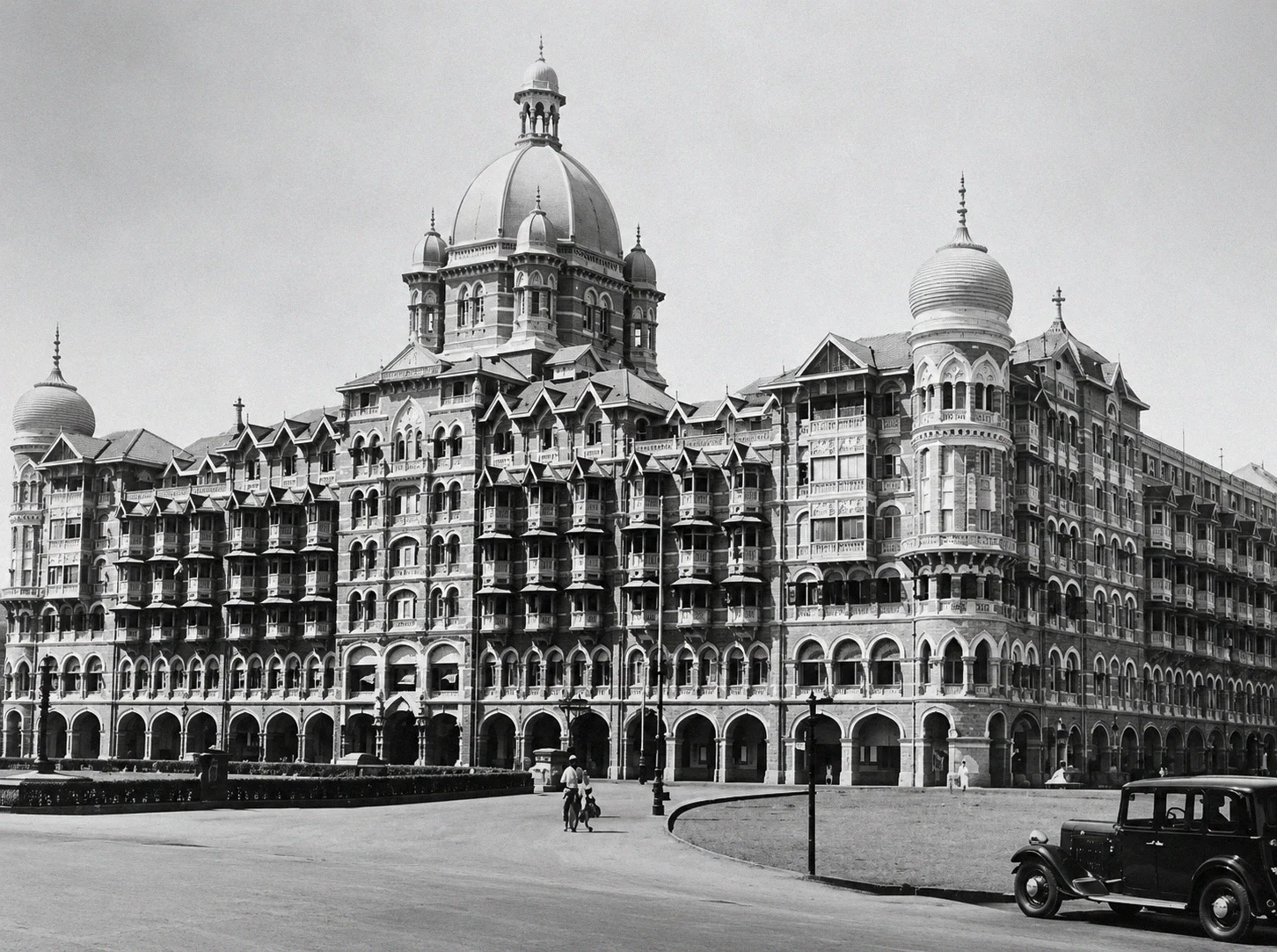
The Taj Mahal Hotel rises on the sea front and adds to the grace of the city of Bombay.

A leading British run hotel, the Majestic did not allow Indians inside. Jamsetji had taken one of his foreign guests to the hotel but was denied entry and had to go somewhere else to eat. This prompted the rise of the opulence that we know as the Taj Mahal Hotel.

1903
The Taj Mahal Hotel rises on the sea front and
        adds to the grace of the city of Bombay.
Jamsetji Tata passes away leaving behind his
        dreams of a modern steel plant, a hydroelectric
        power plant and a university of science that will
        be fulfilled by his sons.
1904

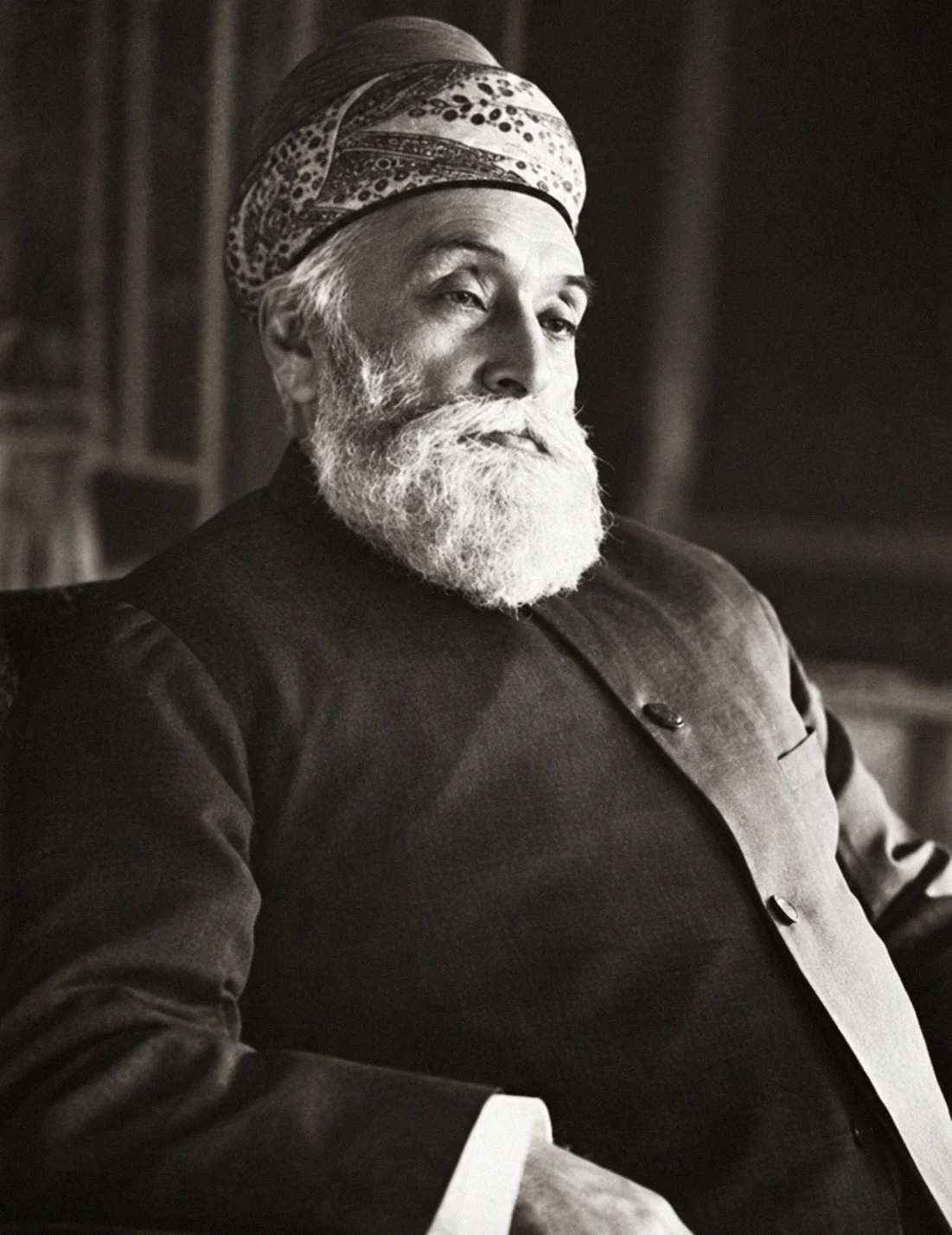
Jamsetji Tata passes away leaving behind his dreams of a modern steel plant, a hydroelectric power plant and a university of science that will be fulfilled by his sons.

In Jamsetji's obituary, the British Editor of The Times of India wrote, '...his sturdy strength of character prevented him from fawning on any man, however great, for he was great in his own way, greater than most people realised. He sought no honour, he claimed no privilege, but the advancement of India and her myriad peoples were with him an abiding passion.'
Jamsetji's younger son, Sir Ratan Tata contributes a significant sum to the Servants of India Society founded by Gopal Krishna Gokhale, a social and political reformer. Sir Ratan Tata goes on to provide the operational costs of the society for the next 10 years to come.

1905
Jamsetji's younger son, Sir Ratan Tata
        contributes a significant sum to the Servants of
        India Society founded by Gopal Krishna Gokhale,
        a social and political reformer. Sir Ratan Tata
        goes on to provide the operational costs of the
        society for the next 10 years to come.
 Jamsetji's dream of building an iron and steel
        company in India and uplifting the country with
        industrialisation is realised with the discovery
        of rich coal mines in Sakchi.
1907

Jamsetji's dream of building an iron and steel company in India and uplifting the country with industrialisation is realised with the discovery of rich coal mines in Sakchi.

Tata Iron and Steel Company became the first Indian company to issue shares to the public. At that time, the Tata family owned 11% of the total shares of the Tata Iron and Steel Company.

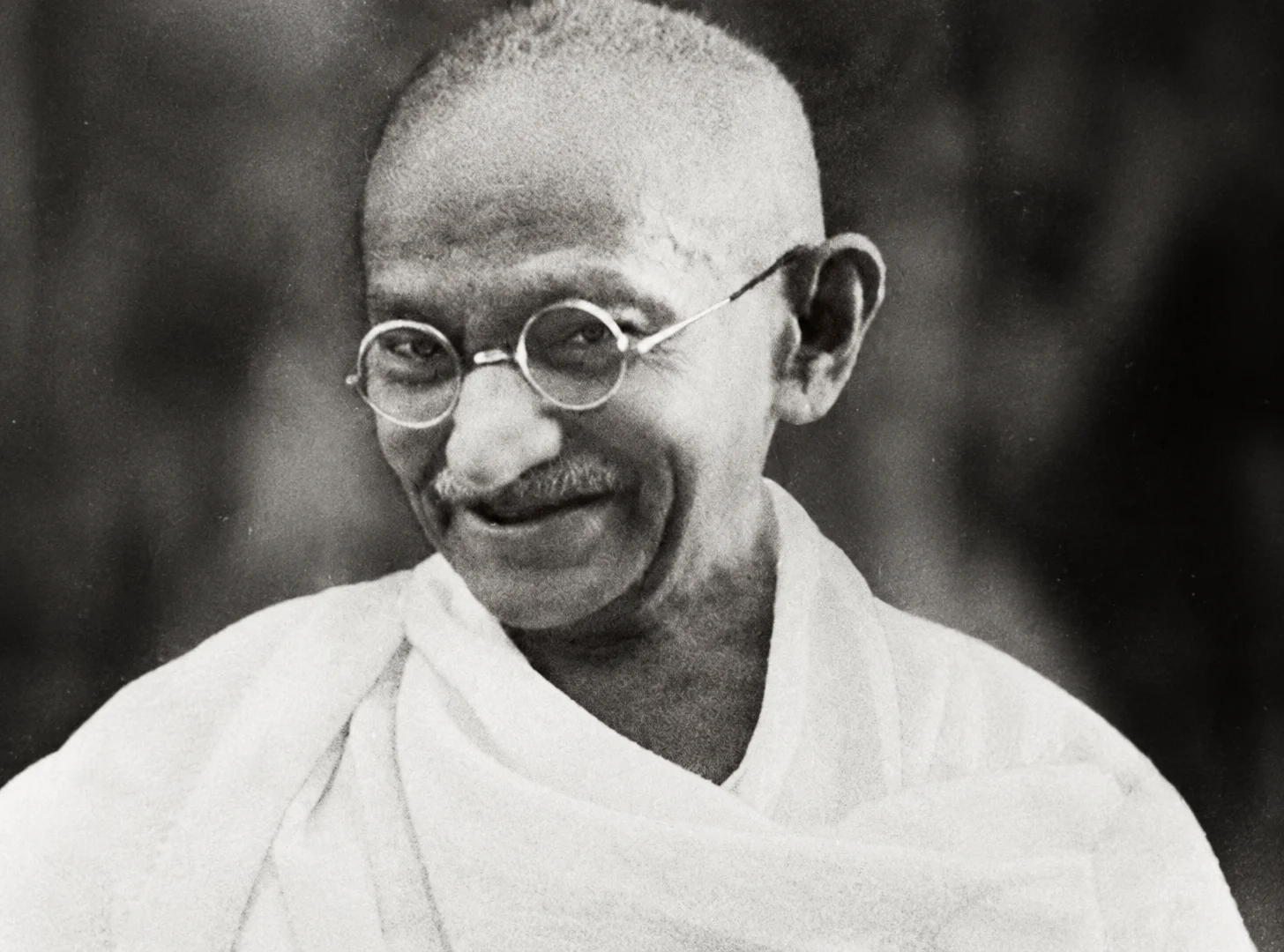
Sir Ratan Tata contributes a significant sum to aid Mahatma Gandhi's struggle of giving Indians a life of dignity in Transvaal, South Africa.

1910
Sir Ratan Tata contributes a significant sum to
        aid Mahatma Gandhi's struggle of giving
        Indians a life of dignity in Transvaal, South
        Africa.
The illustrious Indian Institute of Science is set
        up as a joint venture of the Tatas, the
        Government of India and the Government of
        Mysore, which becomes the launching pad and
        hub of scientific research in India and Asia.
1911

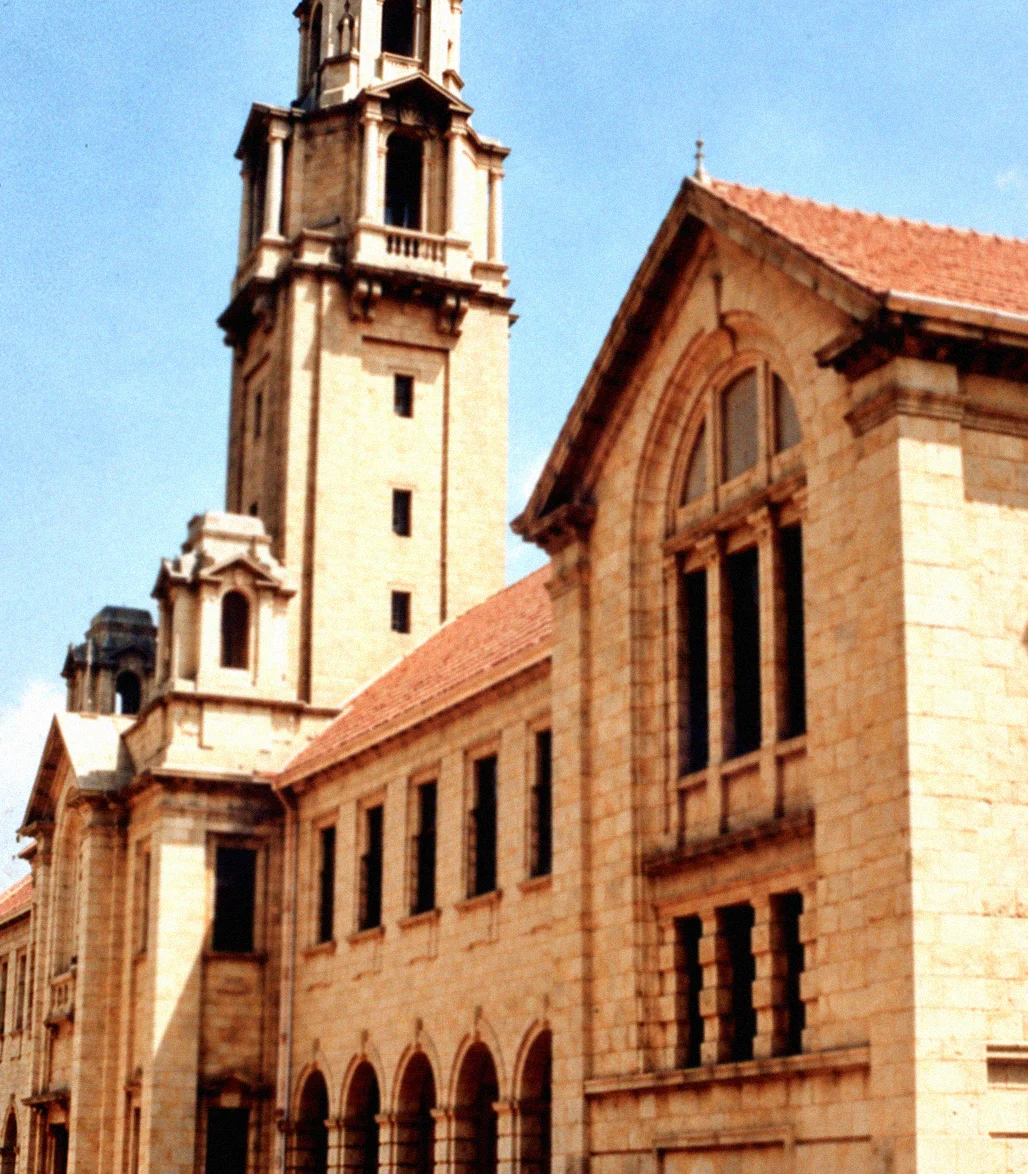
The illustrious Indian Institute of Science is set up as a joint venture of the Tatas, the Government of India and the Government of Mysore, which becomes the launching pad and hub of scientific research in India and Asia.

The Indian Institute of Science was a first of its kind institute in Asia and over the years it has generated world renowned scientists. Nobel Laureate Sir CV Raman was the Institute's first Indian Director.

Tata Steel becomes the first company to introduce pioneering labour welfare policies such as:

  • Free medical aid
  • Formation of a Works Committee for handling complaints concerning service conditions and grievances
  • Leave with pay
  • Worker's provident fund scheme and workmen's accident compensation scheme
  • Ex-gratia payment for road accident while coming to or returning from duty

1912
Tata Steel becomes the first company to
        introduce pioneering labour welfare policies
        such as:
In the last six years of his life, Sir Ratan Tata
        contributes a handsome amount annually to the
        London School of Economics to aid research on
        poverty alleviation.
1912-18

In the last six years of his life, Sir Ratan Tata contributes a handsome amount annually to the London School of Economics to aid research on poverty alleviation.


Sir Ratan Tata passes away in 1918, at the age of 48, leaving behind all his property to be used for the betterment of society.

Sir Ratan Tata noted in his will, 'If I have no children, I give the rest of the residue of my property ... for the advancement of education, learning and industry in all its branches including education in economy, sanitary science and art or for other works of public utility...'
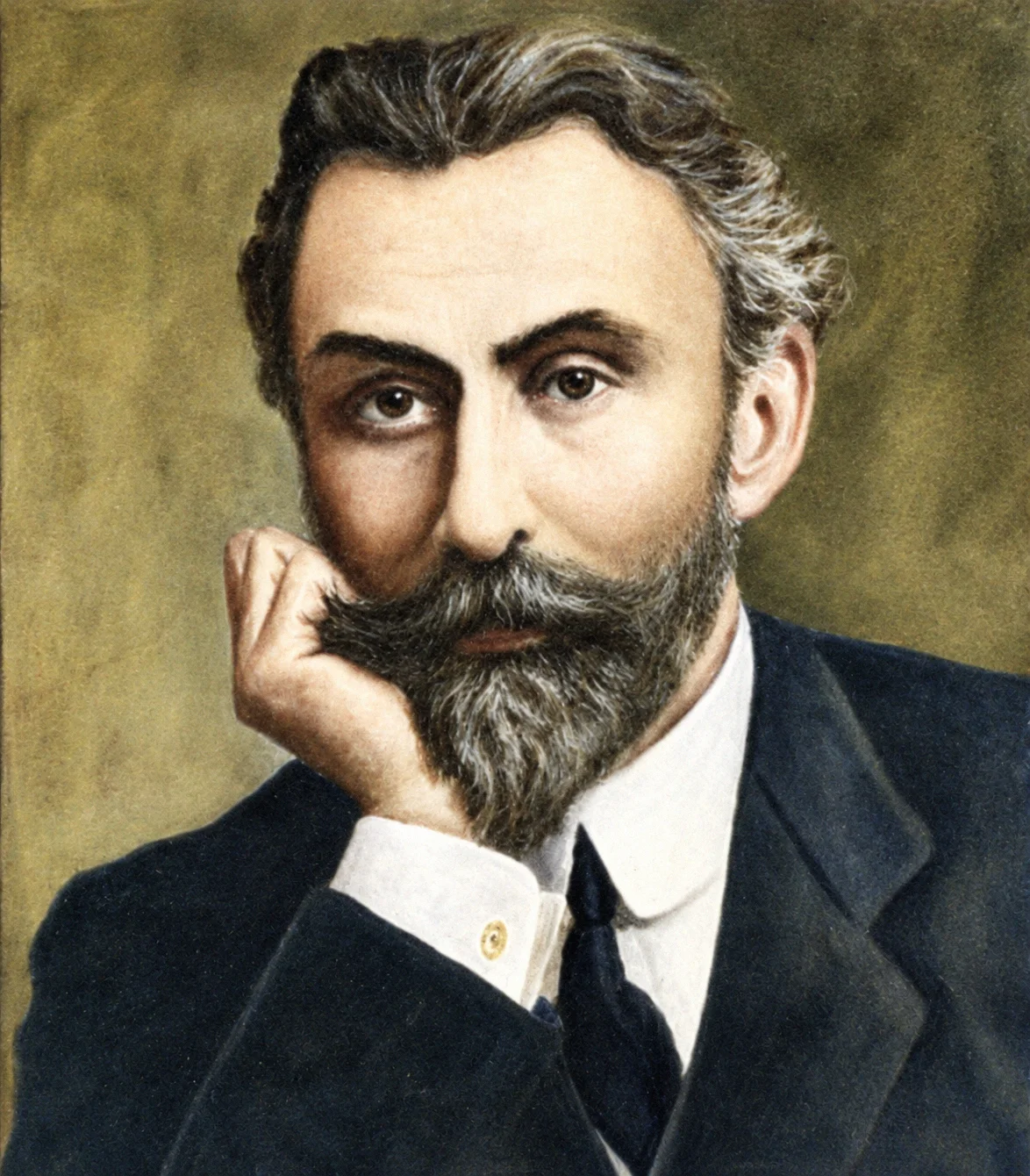
Sir Ratan Tata Trust is set up,
in accordance with his will.


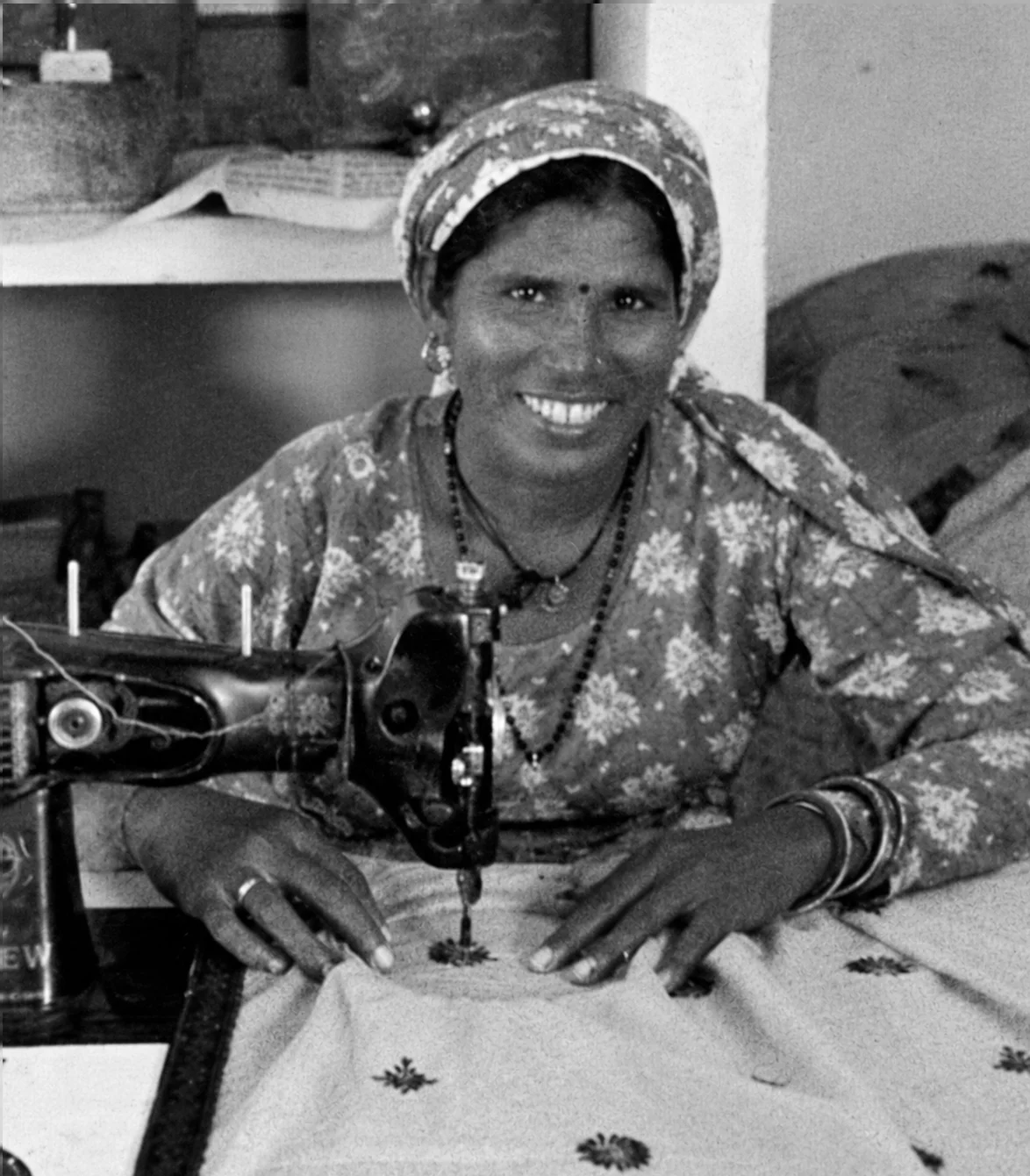
The Ratan Tata Industrial Institute is established to provide livelihood and employment to women from lower income groups and support old unskilled men.

Over the years, The National Metallurgical Laboratory, the National Centre for the Performing Arts (NCPA), the Tata Institute of Social Sciences (TISS), the Indian Institute of Science (IISc), Bangalore, the Delhi School of Economics and Bombay University have benefited from the funds disbursed by the Sir Ratan Tata Trust.

1919
Sir Ratan Tata Trust is set up, in accordance
        with his will.
Sir Dorabji Tata sponsors the Indian contingent
        of six members, four athletes and two wrestlers
        to the Antwerp Olympics in 1920.
1920

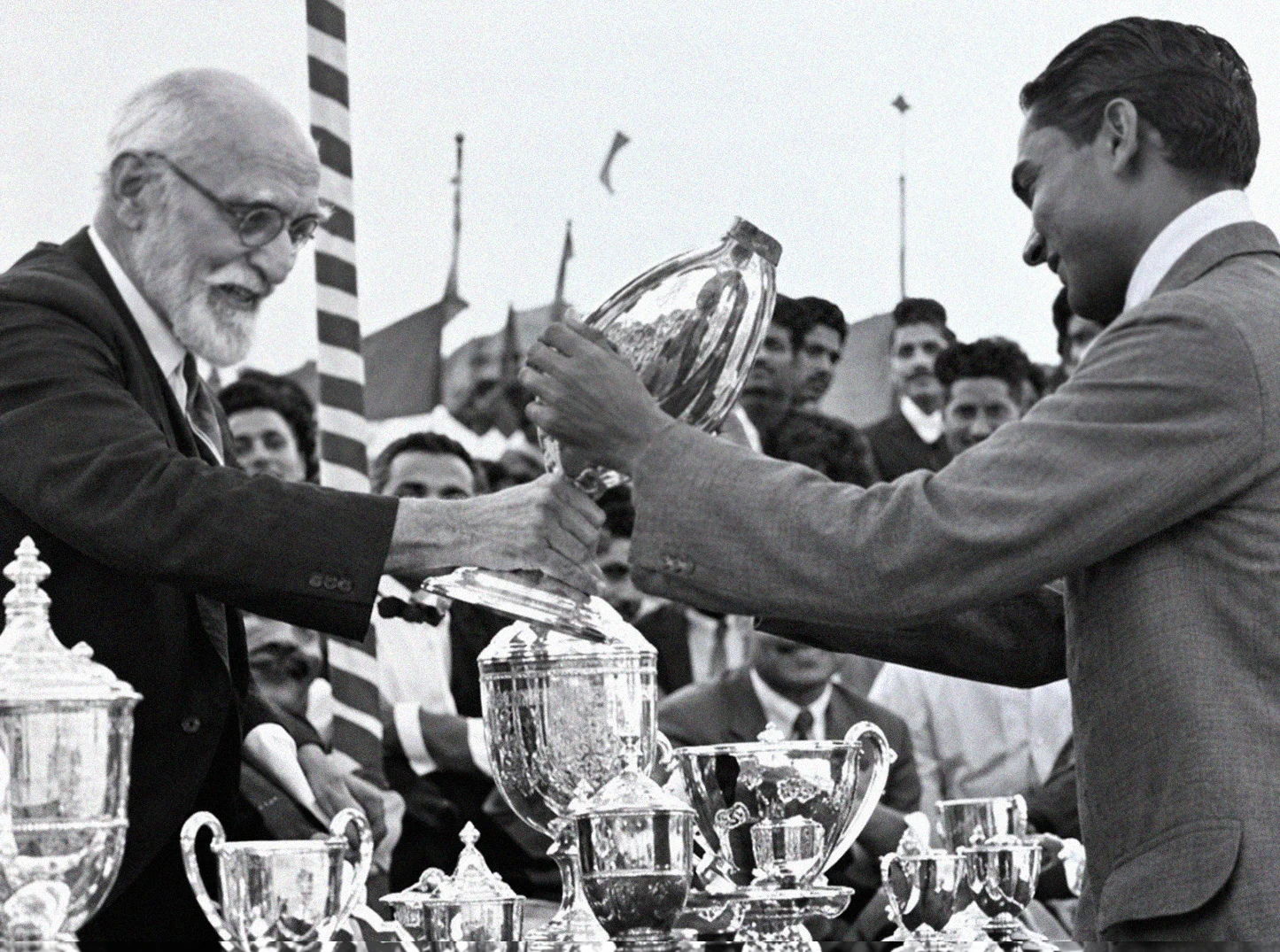
Sir Dorabji Tata sponsors the Indian contingent of six members, four athletes and two wrestlers to the Antwerp Olympics in 1920.

Sir Dorabji Tata, with the help of Dr A G Noeheren, the then Director of the YMCA, established the Indian Olympic Association in 1927, becoming the Founder President and Secretary General respectively of IOA.

The Jamsetji Tata Girl's
High School is set up in Nagpur.

1921
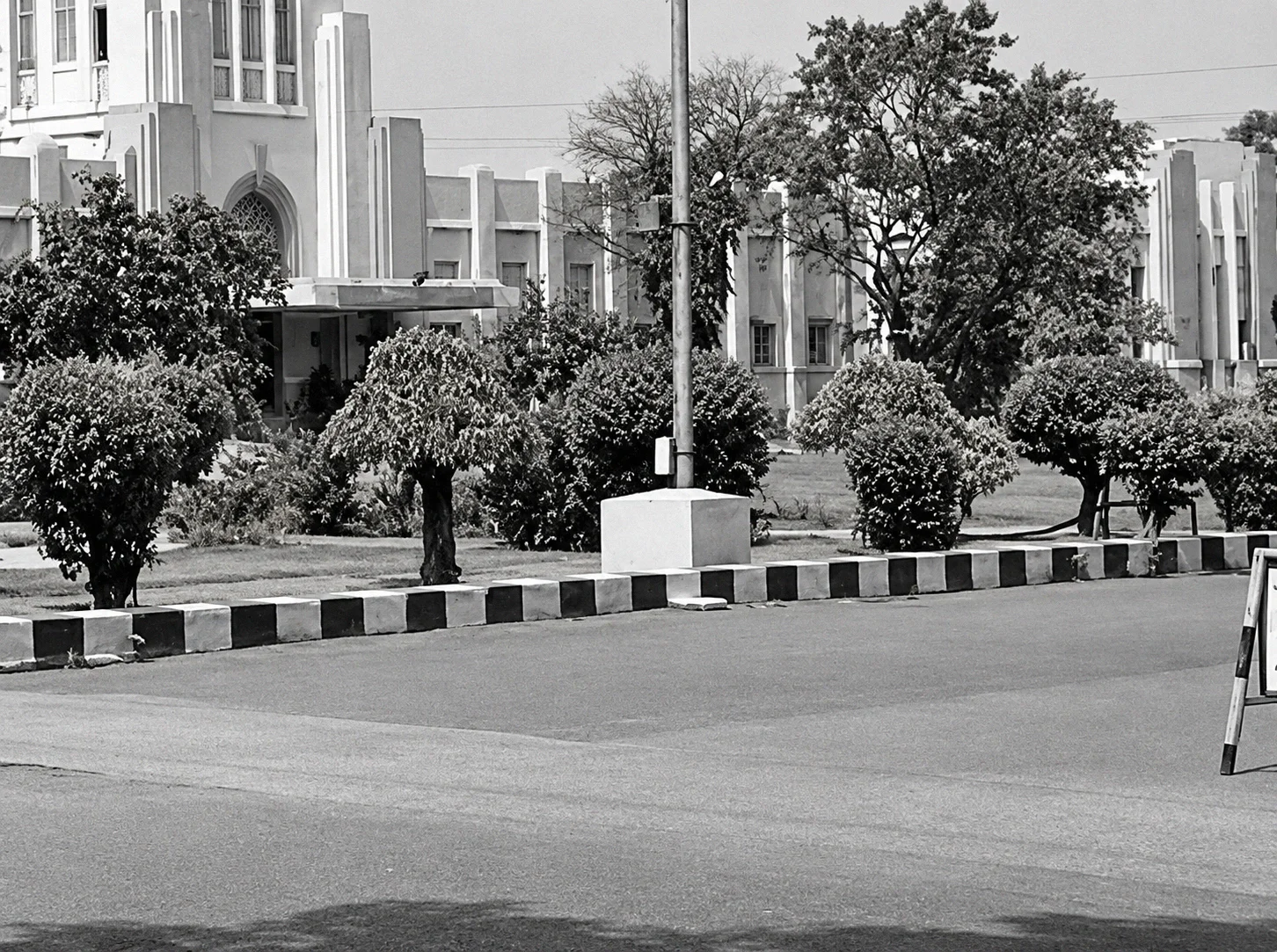
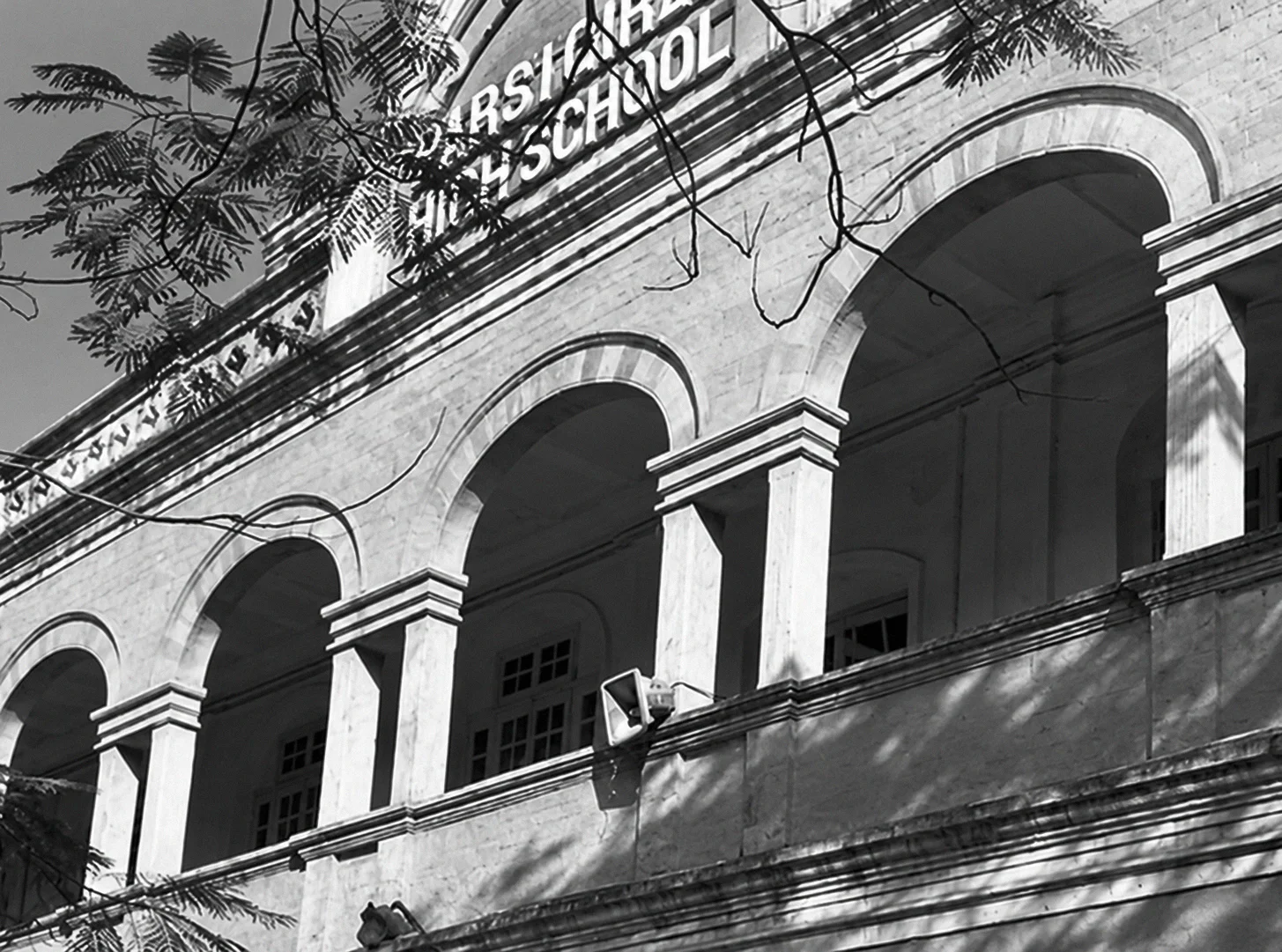
The Jamsetji Tata Girl's High School is set up in
        Nagpur.
Lady Navajbai Ratan Tata establishes the Sir
        Ratan Tata Institute to provide training and
        opportunities of employment to poor and aged
        Parsi women.
1928

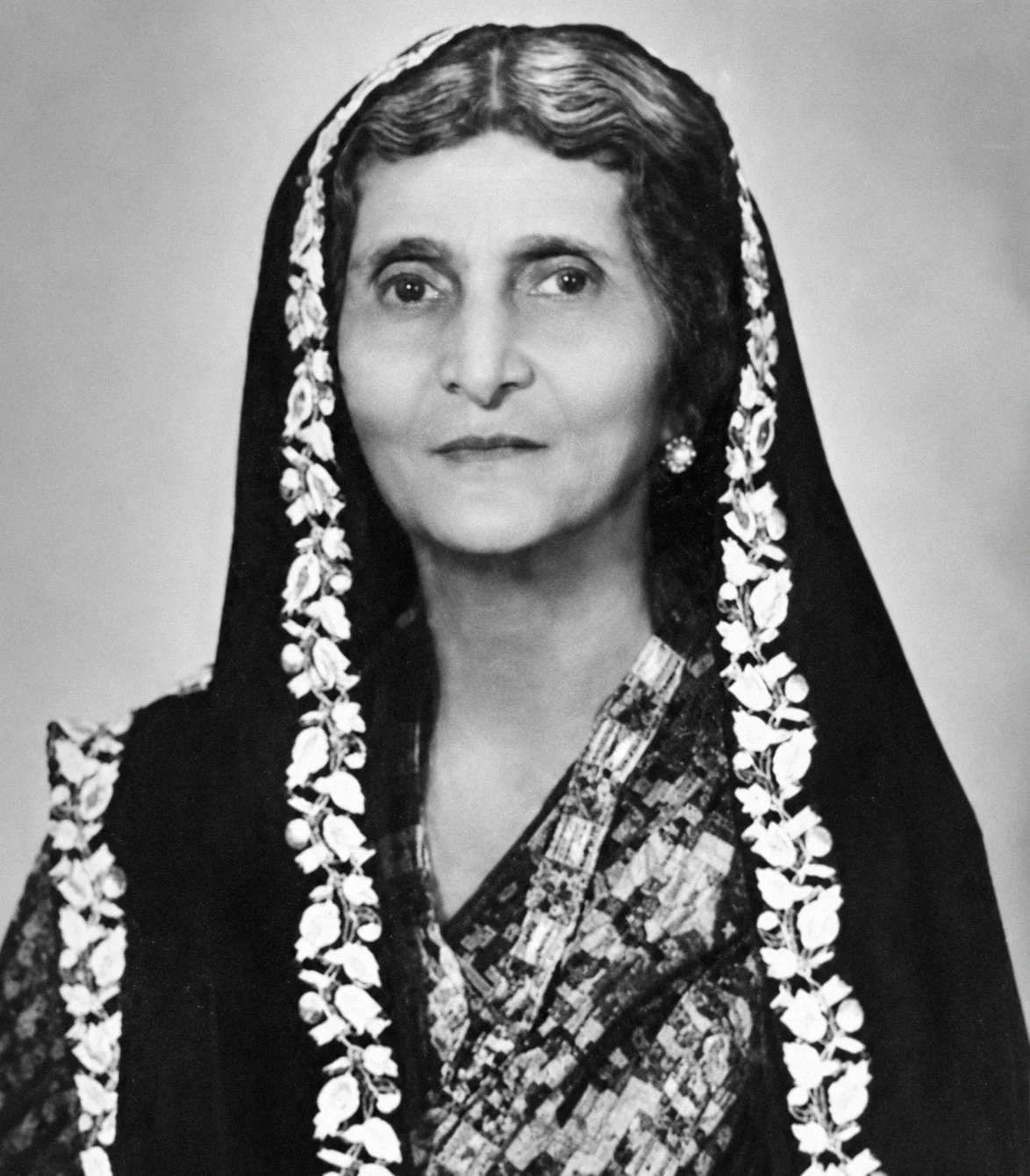
Lady Navajbai Ratan Tata establishes the Sir Ratan Tata Institute to provide training and opportunities of employment to poor and aged Parsi women.

The building which is now known as the Ratan Tata Institute was donated by Lady Navajbai Tata to the Stri Zarthosti Mandal which needed space to expand its work of financially uplifting poor and needy Parsi women.

Sir Dorabji Tata sets up the Lady Tata Memorial Trust in memory of his deceased wife. The trust is set up to aid research on an international scale in the field of blood diseases especially leukaemia.

1931
Sir Dorabji Tata sets up the Lady Tata Memorial
        Trust in memory of his deceased wife. The trust
        is set up to aid research on an international
        scale in the field of blood diseases especially
        leukaemia.
The Sir Dorabji Tata Trust is founded, which is
        one of the oldest non-communal and
        multipurpose charitable trusts in India.
1932

The Sir Dorabji Tata Trust is founded, which is one of the oldest non-communal and multipurpose charitable trusts in India.


Sir Dorabji Tata passes away, leaving behind his entire fortune — including a share of 40% in Tata Sons — to the Sir Dorabji Tata Trust which is to be formed after his death.

Sir Dorabji Tata did not have an heir and when he passed away in 1932, he left his entire fortune to a non-communal multi- purpose trust. He also donated all his belongings, including his late wife's Jubilee diamond which was two times larger than the Kohinoor and also his smallest pearl-studded tie-pin.

Lady Meherbai D Tata Education Trust is founded to empower young Indian women through higher education. The Trust offers scholarships to graduates from recognised Indian universities to pursue higher education.

1932
Following the philanthropic tradition set by
        Jamsetji Tata, the Sir Dorabji Tata Trust sets up
        India's pioneering institutions such as The Tata
        Institute of Social Sciences in 1936, the Tata
        Memorial Centre for Cancer Research and
        Treatment in 1941 and the Tata Institute of
        Fundamental Research in 1945.
1936

Following the philanthropic tradition set by Jamsetji Tata, the Sir Dorabji Tata Trust sets up India's pioneering institutions such as The Tata Institute of Social Sciences in 1936, the Tata Memorial Centre for Cancer Research and Treatment in 1941 and the Tata Institute of Fundamental Research in 1945.

Instead of only establishing a radium wing at a hospital in Bombay as Sir Dorabji had envisaged, the trustees of the Sir Dorabji Tata Trust decided to start a high-grade institution for the treatment of cancer. Governor, Sir Roger Lumley who inaugurated the hospital in 1941 called it the 'first large contribution of India to the international fight against cancer.'