Introduction
to the Tata Trusts
Know the
work we do
Discover our impact
stories and campaigns
Publications
and reports
In the media
Opportunities
for impact
15 AUGUST, 2025
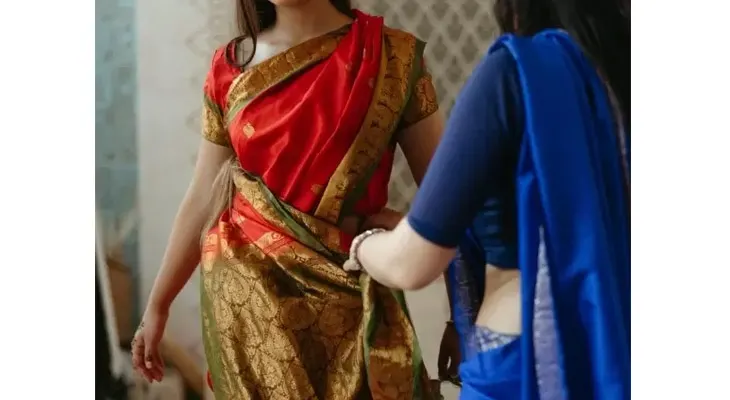
Credit: Pexels
Far away from the clamor of urban factories, deep within India’s villages, the steady clack of handlooms writes the country’s truest story, a story woven with centuries of skill, artistry, and unyielding resilience. The handloom sector is not just a custodian of India’s cultural heritage, but a reflection of its diverse culture and craftsmanship. Here are six remarkable handloom clusters supported by Tata Trusts’ Antaran initiative, shaping the modern narrative of Indian textiles:
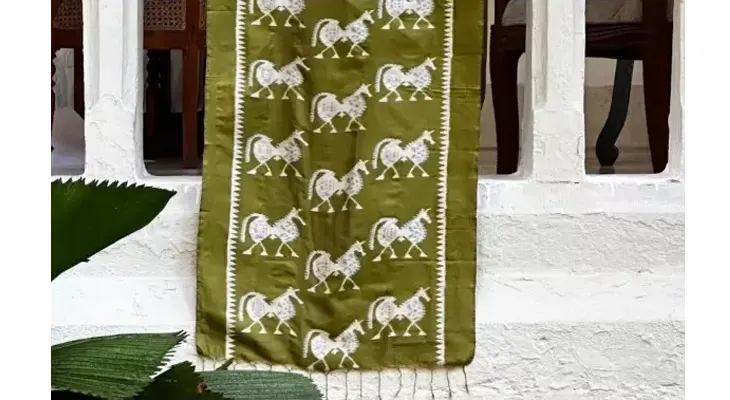
Credit: Ikat Silk Stole, Antaran
Maniabandha’s Ikat tradition is an extraordinary feat of patience and precision. The centuries-old “Bandha” technique involves tying and dyeing yarns before weaving, demanding precision and skill to produce the motifs rooted in Hindu and Buddhist traditions.
Revered motifs like the elephant, lotus, and tiger symbolize auspiciousness; bold ikat patterns, calligraphic renditions, and curvilinear designs are hallmarks of this region.
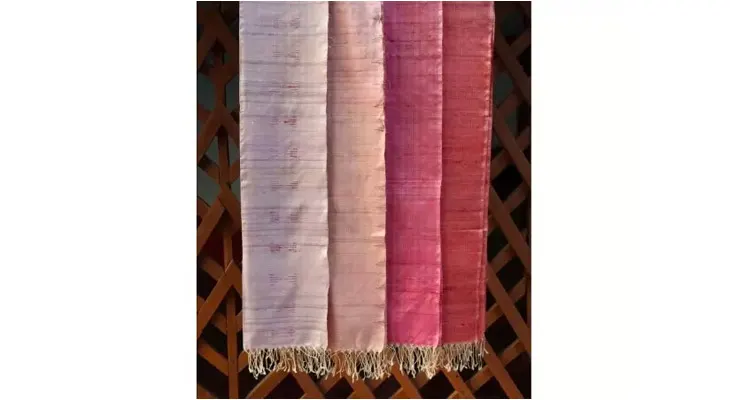
Credit: Gopalpur Silk, Antaran
Gopalpur’s silk weavers are custodians of an age-old craftsmanship interlaced together in stories told through textiles. Hand-reeled and spun tussar silk yarn is most sought after, employing extra-weft weaving techniques to create rich, layered patterns.
The Tussar Weaving craft received the Geographical Indication tag by the Government of India in 2009.
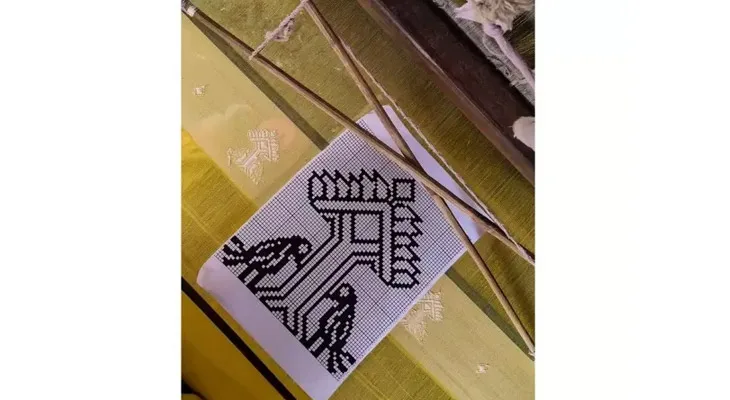
Credit: Kamrup Eri Silk, Antaran
Kamrup is known as the cradle of Eri silk. A variety of Eri silk is also revered as “Ahimsa Silk” for its non-violent, environmentally responsible production that respects the life cycle of silkworms. This practice aligns with entrenched Assamese values of ecological balance and community-centric livelihoods.
Women predominantly manage the heritage craft at home, spinning raw Eri fibers into fine yarns, dyeing them with organic herbs, and weaving on handlooms passed down through generations.
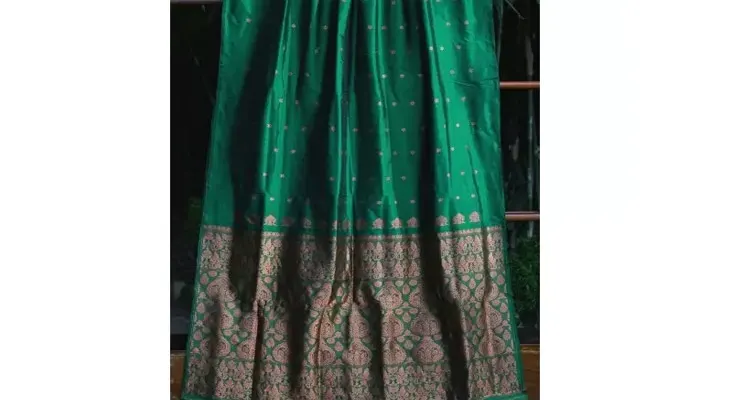
Credit: Nalbari Saree, Antaran
Nalbari, is a district in Assam, is situated on the North bank of Brahmaputra River. The town is renowned for producing exquisite mulberry silk textiles. The motifs are mostly imitation of nature and Assamese traditional objects like the Jaapi, Pokhila, Joonbiri, Kaziranga style, and Kalki (Paisley).
This cluster excels in blending heritage with innovation, reinterpreting traditional patterns through updated color palettes and contemporary weaves to suit modern tastes.
Credit: Antaran
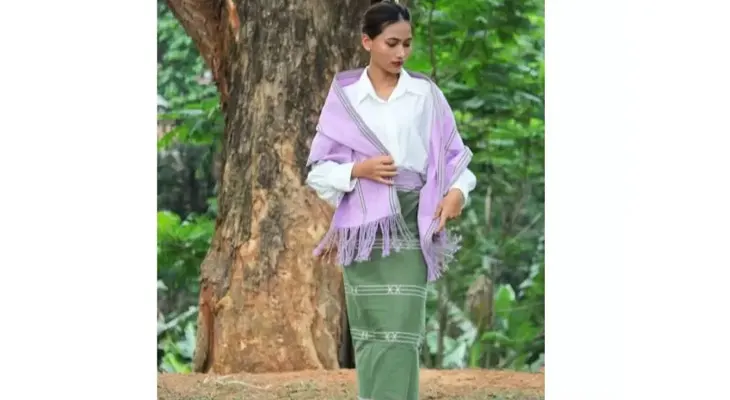
Loin loom/Back strap loom is the most primitive form of loom, where one end of the warp is attached to a bamboo and the other end is strapped to the body of a woman weaver. In Loin loom, each strand of yarn is handpicked to form beautiful geometric patterns. Loin loom shawls are masterclasses in ethnic symbolism and technical virtuosity.
Woven by women belonging to Indigenous communities, these shawls boast motifs representing clan identity, social hierarchy, valor, and spiritual beliefs — icons like diamonds, spears, and flesh patterns are interwoven with ancestral wisdom.
Credit: Antaran
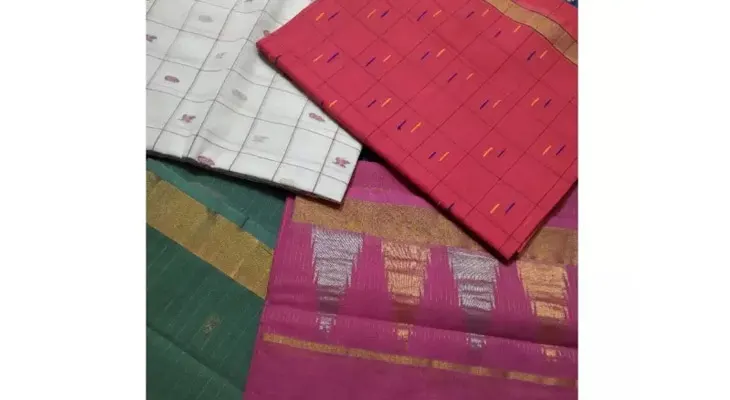
For over 300 years, Venkatagiri sarees have epitomized regal grace. Their signature jamdani motifs, gold and silver zari borders, and feather-light saris owe to a weaving tradition once reserved for royalty. The cluster skillfully balances legacy with market relevance, adapting patterns to contemporary trends while executing them with meticulous handcraft.
The article was first published on 15 August, 2025 on idiva.